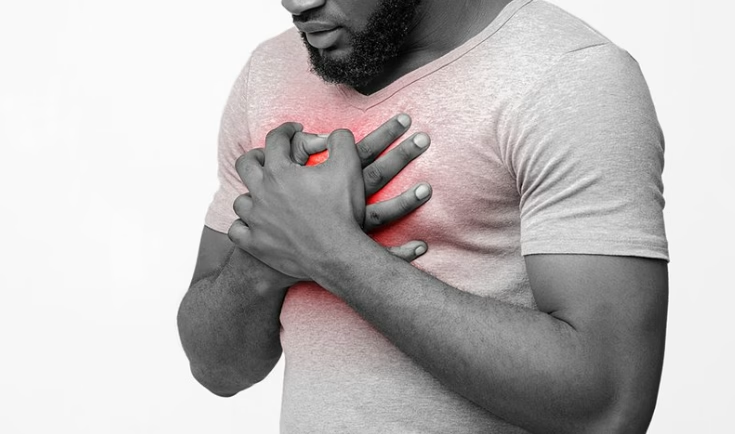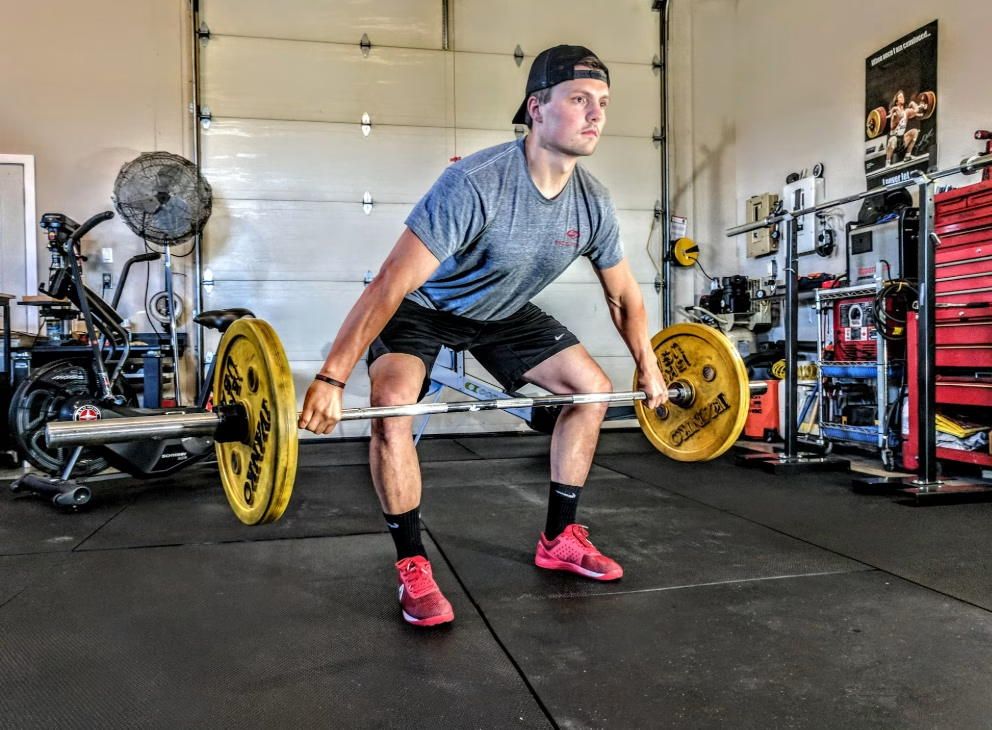
Exercise is not just about building muscle or losing weight—it’s a crucial part of leading a long, healthy, and fulfilling life. Whether you are an athlete, a busy professional, or someone looking to improve their well-being, it plays an essential role in keeping your body and mind in optimal condition. In this article, we will explore the numerous benefits of gymnastics, the different types of physical activity, and how you can get started on your fitness journey. With the right approach, exercise can transform your health, boost your mood, and help you achieve your personal goals.
Table of Contents
The Science Behind Exercise
This refers to any physical activity that enhances or maintains physical fitness and overall health. When you engage in physical activity, your body undergoes numerous physiological changes that positively impact your heart, muscles, bones, brain, and immune system. Here’s a breakdown of what happens when you gymnastics:
- Improved Heart Health: gymnastics increases your heart rate, which in turn strengthens the heart muscle. This helps to improve cardiovascular health, reduce the risk of heart disease, and maintain healthy blood pressure levels.
- Stronger Muscles and Bones: Weight-bearing gymnastics, such as resistance training or weightlifting, stimulate muscle growth and strengthen bones. This is particularly important as we age, as muscle mass naturally decreases and bones become more brittle.
- Better Brain Function: Physical activity enhances blood flow to the brain, leading to improved cognitive function, memory, and mood regulation. It also triggers the release of endorphins, which can reduce stress and anxiety.
- Boosted Immune System: Regular gymnastics has been shown to improve the efficiency of the immune system, making the body better equipped to fight off infections and illnesses.
Types of Exercise
This is not a one-size-fits-all activity. There are various types of gymnastics that cater to different fitness levels, preferences, and goals. Below, we explore the most popular types of exercise and their unique benefits:
1. Cardiovascular Exercise (Aerobic Exercise)
Cardio gymnastics, such as running, cycling, swimming, and dancing, involve repetitive, rhythmic movements that increase your heart rate and improve your cardiovascular fitness. Cardiovascular exercise is essential for burning calories, improving lung capacity, and boosting endurance. Some key benefits of cardio include:
- Improved cardiovascular health
- Increased stamina and energy levels
- Better weight management
- Enhanced mood and mental clarity
- Reduced risk of chronic diseases like diabetes, heart disease, and stroke
2. Strength Training (Resistance Training)
Strength training involves the use of weights or resistance to build muscle and strength. This type of gymnastics includes activities such as weightlifting, bodyweight exercises (like push-ups and squats), and resistance band workouts. Strength training has a variety of benefits:
- Increased muscle mass and strength
- Improved bone density, reducing the risk of osteoporosis
- Enhanced metabolic rate, leading to better fat loss
- Improved posture and stability
- Reduced risk of injury
3. Flexibility and Balance Exercises
Flexibility and balance gymnastics, such as yoga, Pilates, and tai chi, focus on improving joint mobility, flexibility, and coordination. These exercises are important for maintaining proper posture, reducing the risk of falls, and relieving stress. Key benefits of flexibility and balance exercises include:
- Improved range of motion and joint health
- Enhanced balance and coordination
- Reduced risk of injury
- Better posture and muscle alignment
- Increased relaxation and stress relief
4. High-Intensity Interval Training (HIIT)
HIIT is a form of cardiovascular gymnastics that alternates between short bursts of intense activity and periods of rest or low-intensity activity. HIIT workouts are highly effective for burning fat, improving cardiovascular health, and boosting metabolism in a short period of time. Some of the benefits of HIIT include:
- Increased calorie burn and fat loss
- Improved cardiovascular health
- Boosted metabolism, leading to long-term fat burning
- Increased endurance and stamina
- Shorter workout duration with maximum results
5. Low-Impact Exercise
Low-impact gymnastics, such as walking, swimming, or cycling, are ideal for individuals with joint pain, mobility issues, or those recovering from injury. These exercises provide the benefits of cardiovascular fitness and muscle strengthening without putting excessive strain on the joints. The benefits of low-impact exercises include:
- Improved cardiovascular health
- Enhanced joint mobility and flexibility
- Reduced risk of injury
- Accessible for all fitness levels
How Much Exercise Should You Get?
The American Heart Association recommends the following guidelines for adults:
- Aerobic Activity: At least 150 minutes of moderate-intensity aerobic gymnastics per week (e.g., brisk walking or cycling), or 75 minutes of vigorous-intensity exercise (e.g., running or swimming) per week.
- Strength Training: At least two days per week of muscle-strengthening activities that target all major muscle groups.
- Flexibility and Balance: Incorporate activities such as stretching, yoga, or Pilates into your routine two to three times per week.
It’s important to note that the amount of exercise you need may vary based on your individual fitness goals, current fitness level, and any underlying health conditions. Always consult with a healthcare provider before starting a new exercise regimen, especially if you have pre-existing health concerns.
The Benefits of Regular Exercise
It offers a wealth of benefits for both your body and mind. Let’s explore some of the most powerful reasons to make physical activity a part of your daily routine:
1. Weight Management
Regular gymnastics is one of the most effective ways to manage your weight. Exercise helps to burn calories and increases your metabolic rate, making it easier to maintain a healthy weight. Combined with a balanced diet, exercise plays a key role in preventing obesity and promoting fat loss.
2. Mental Health Benefits
It has a profound impact on mental health. Physical activity stimulates the release of endorphins, which are natural mood elevators. This can help reduce symptoms of anxiety, depression, and stress. Studies show that gymnastics can be as effective as medication for managing mild to moderate depression. Additionally, exercise improves sleep quality, boosts self-esteem, and provides a sense of accomplishment.
3. Improved Sleep Quality
It can significantly improve the quality of your sleep. It helps regulate the body’s internal clock, making it easier to fall asleep and stay asleep. Regular physical activity can help reduce symptoms of insomnia and improve sleep patterns, leading to better overall health and productivity during the day.
4. Increased Longevity
Studies have shown that regular gymnastics can extend your life expectancy by reducing the risk of chronic diseases like heart disease, diabetes, and cancer. By staying active, you can significantly improve your chances of living a longer, healthier life.
5. Enhanced Cognitive Function
gymnastics not only benefits the body but also the brain. Physical activity has been linked to improved memory, focus, and mental clarity. Regular exercise can also help protect the brain from age-related cognitive decline and reduce the risk of developing Alzheimer’s disease and other forms of dementia.
6. Improved Immune System Function
Gymnastics boosts the immune system by increasing the circulation of immune cells in the body. This helps the body fight off infections and illnesses more effectively. Regular moderate exercise has been shown to enhance immune function, while excessive exercise without proper rest can weaken the immune system.
How to Get Started with Exercise
If you’re new to exercise or looking to get back on track, it’s essential to start slowly and gradually build up your fitness level. Here are a few tips to help you get started:
- Set Realistic Goals: Set specific, measurable, and achievable fitness goals. Whether it’s improving endurance, building muscle, or losing weight, having a clear target will keep you motivated.
- Start Slow: If you’re new to exercise, begin with low-impact activities like walking or cycling and gradually increase the intensity and duration over time.
- Find Activities You Enjoy: The best way to stay consistent with exercise is to engage in activities you love. Whether it’s dancing, swimming, or hiking, find something that excites you.
- Make it a Habit: Consistency is key to reaping the benefits of exercise. Set aside dedicated time each day or week to work out, and try to stick to your schedule as much as possible.
- Stay Safe: Always warm up before exercising and cool down afterward to prevent injury. If you’re unsure about proper technique, consider working with a trainer or attending classes.
Conclusion
Exercise is a cornerstone of good health. It not only improves your physical fitness but also enhances mental clarity, boosts mood, and prevents a variety of chronic diseases. With so many types of exercise to choose from, there is something for everyone, regardless of age or fitness level. By making exercise a regular part of your routine, you can unlock the many benefits of a healthier, happier life.
Remember, Select bests can mistakes. the journey to better health begins with a single step. So, lace up your sneakers, find an activity you enjoy, and start moving toward a brighter, more vibrant future.