


In today’s fast-paced world, where uncertainties loom large, safeguarding your health has never been more important. While public healthcare systems in many countries provide a safety net, they often come with long waiting times and limited coverage. This is where Private Medical Insurance (PMI) steps in, offering flexibility, speed, and a personalized approach to healthcare. But what exactly is private medical insurance, and why should you consider it? Let’s dive into the details.
Table of Contents
What is Private Medical Insurance?
Private medical insurance is a type of health coverage that provides access to private healthcare services. Unlike public healthcare systems, PMI allows you to bypass lengthy waiting lists and receive timely treatments in private hospitals and clinics. It covers a wide range of medical expenses, from consultations and diagnostic tests to surgeries and post-treatment care, depending on your policy.
PMI is tailored to individual needs, offering different levels of coverage based on your budget and health requirements. It ensures you receive high-quality care, often with added perks like private rooms, specialist consultations, and access to advanced treatments.
Why is Private Medical Insurance Important?
Faster Access to Healthcare One of the primary advantages of PMI is the reduced waiting time. Public healthcare systems are often overwhelmed, leading to delays in consultations and treatments. With private insurance, you can schedule appointments and receive care promptly.
Choice of Specialists and Hospitals PMI gives you the freedom to choose your preferred specialists and healthcare facilities. This means you can opt for highly-rated doctors or institutions known for their expertise in specific medical conditions.
Comprehensive Coverage While public healthcare might cover only essential treatments, private medical insurance can include a broader range of services, such as:
Mental health support
Physiotherapy
Dental and vision care
Alternative treatments like acupuncture or chiropractic care
Personalized Care PMI ensures you receive personalized attention and care in a comfortable environment. Private hospitals often provide better amenities, including private rooms with en-suite facilities, ensuring a stress-free recovery.
Financial Security Medical emergencies can be expensive. PMI helps mitigate these costs by covering the majority (if not all) of your healthcare expenses, protecting your savings.
Key Features of Private Medical Insurance
Private medical insurance policies come with varying features. Here’s what to look for:
1. Inpatient and Outpatient Care
Inpatient care: Covers hospital stays, surgeries, and specialist treatments.
Outpatient care: Includes consultations, diagnostic tests, and minor procedures without hospitalization.
2. Flexible Policies
Most insurers offer flexible policies that allow you to tailor coverage based on your needs. For instance, you can exclude certain treatments to lower premiums or add additional coverage for specific conditions.
3. Preventative Care
Many policies include preventive care, such as annual health check-ups and vaccinations, helping you stay ahead of potential health issues.
4. Global Coverage
Some PMI plans offer international coverage, making them ideal for frequent travelers. This ensures you receive medical care even when abroad.
5. Cashless Treatment
With a cashless facility, your insurer directly settles bills with the hospital, sparing you the hassle of upfront payments.
Who Should Consider Private Medical Insurance?
While private medical insurance isn’t mandatory, it’s highly beneficial for:
Individuals with Specific Medical Needs If you have a pre-existing condition or require regular specialist care, PMI ensures timely and consistent treatment.
Families PMI provides peace of mind for families by covering children’s medical needs and offering maternity benefits.
Self-Employed Professionals Without access to employer-sponsored health benefits, self-employed individuals can rely on PMI to safeguard their health.
Frequent Travelers If you often travel abroad, PMI with international coverage ensures access to healthcare regardless of location.
Elderly Individuals As health risks increase with age, PMI can cover advanced treatments and long-term care.
Factors to Consider When Choosing Private Medical Insurance
Selecting the right PMI policy can be daunting. Here are some key factors to keep in mind:
1. Coverage
Ensure the policy covers essential treatments, such as surgeries, specialist consultations, and diagnostic tests. Evaluate additional benefits like dental care, physiotherapy, and mental health support.
2. Exclusions
Read the fine print to understand what isn’t covered. Common exclusions include pre-existing conditions, cosmetic surgeries, and experimental treatments.
3. Premium Costs
Premiums vary based on factors like age, health condition, and coverage level. Compare policies to find one that offers the best value for your budget.
4. Network of Providers
Check if your preferred hospitals and specialists are part of the insurer’s network. A wider network ensures better access to healthcare services.
5. Claims Process
Opt for insurers with a straightforward claims process and good customer support. Look for reviews and testimonials to gauge their reliability.
6. Policy Limits
Be aware of annual or per-treatment limits. Choose a policy with sufficient coverage to avoid out-of-pocket expenses.
How to Save on Private Medical Insurance
PMI can be expensive, but there are ways to reduce costs:
Increase Your Excess Agreeing to pay a higher excess (the amount you contribute towards a claim) can lower premiums.
Opt for Limited Coverage Excluding non-essential treatments like dental or vision care can reduce costs.
Choose a Moratorium Policy These policies exclude pre-existing conditions for a set period (usually two years), making them more affordable.
Pay Annually Paying premiums annually instead of monthly often comes with discounts.
Shop Around Compare policies from different insurers to find the best deal. Use comparison websites for a quick overview of options.
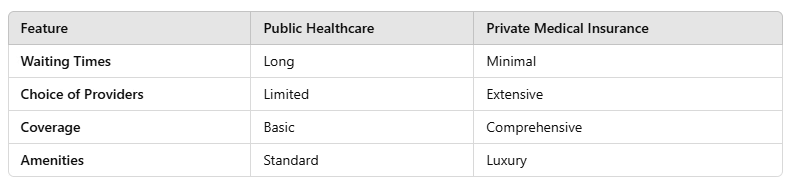
Private Medical Insurance vs. Public Healthcare
While public healthcare systems like the NHS in the UK or Medicare in the US offer essential medical services, they often come with limitations:
Frequently Asked Questions (FAQs)
1. Is private medical insurance worth it?
If you value faster access to treatments, personalized care, and financial security, PMI is a worthwhile investment.
2. Does PMI cover pre-existing conditions?
Most policies exclude pre-existing conditions or impose a waiting period before covering them. Check with your insurer for details.
3. Can I have both public and private healthcare?
Yes, many individuals use PMI to complement public healthcare, accessing private care for non-emergency treatments.
4. What happens if I don’t use my policy?
Some insurers offer a no-claims bonus, reducing premiums for the next policy year if you don’t make a claim.
Conclusion
Private medical insurance is a valuable tool for protecting your health and finances. By offering faster access to treatments, a wider choice of specialists, and comprehensive coverage, it provides peace of mind in times of need. While it’s an additional expense, the benefits often outweigh the costs, especially in countries with strained public healthcare systems. Whether you’re an individual, a family, or a frequent traveler, PMI can be tailored to suit your unique needs.
Take the time to compare policies, understand the fine print, and choose a plan that aligns with your health priorities. After all, good health is priceless, and investing in it is one of the wisest decisions you can make.
Disclaimer
This article is for informational purposes only and should not be considered financial or medical advice. Always consult with a qualified professional or insurance advisor to choose the best private medical insurance policy for your individual needs.


