


Stomach flu, also known as viral gastroenteritis, is a common illness that affects millions of people worldwide each year. Characterized by symptoms like nausea, vomiting, diarrhea, abdominal pain, and fever, stomach flu can disrupt daily life and lead to complications if not managed properly. In this article, we’ll explore what stomach flu is, its causes, symptoms, prevention strategies, treatment options, and tips for recovery.
Table of Contents
What is Stomach Flu?
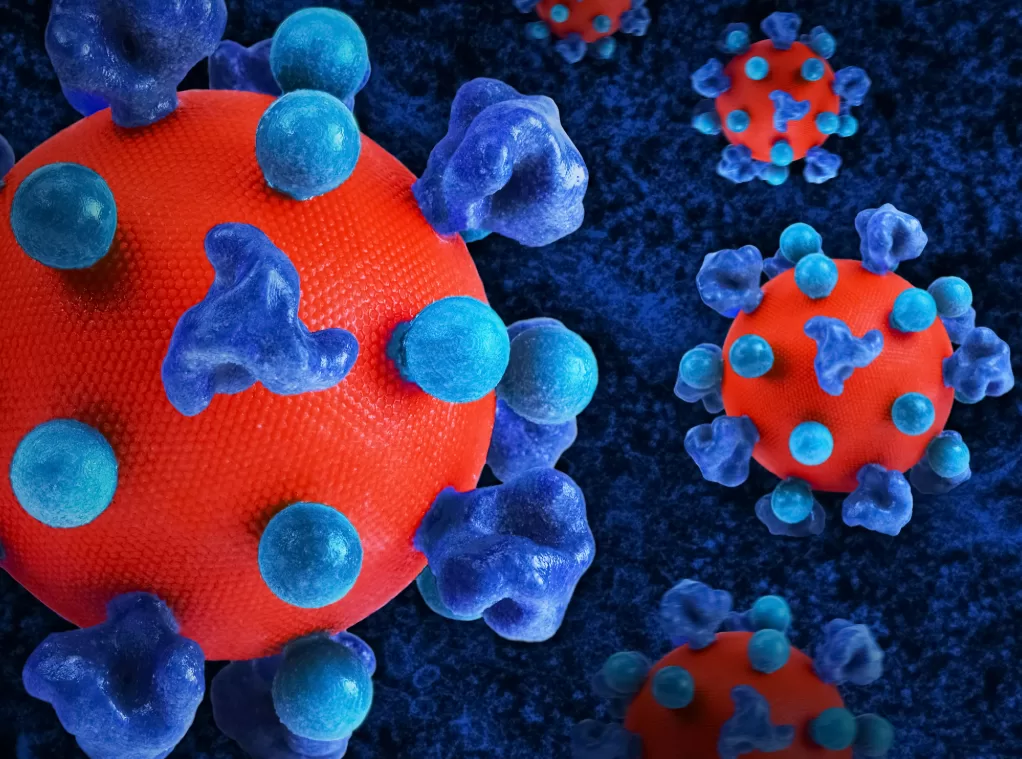
This flu, often mistakenly referred to as the “stomach bug,” is an infection that targets the stomach and intestines. Unlike the flu, which is a respiratory illness caused by influenza viruses, this flu is primarily caused by viral infections such as norovirus and rotavirus. These viruses are highly contagious and spread rapidly through close contact, contaminated food, water, and surfaces.
Causes of Stomach Flu
This flu is primarily caused by several types of viruses. The most common include:
Norovirus
Norovirus is the leading cause of this flu worldwide. It spreads easily in places like schools, nursing homes, and cruise ships, where people are in close quarters. Symptoms typically appear within 12 to 48 hours after exposure.
Rotavirus
Commonly affecting infants and young children, rotavirus can cause severe dehydration and symptoms that last several days. Vaccination has significantly reduced the incidence of rotavirus infection.
Enteric Adenovirus
This virus can cause gastroenteritis in both adults and children, typically manifesting as fever, vomiting, and diarrhea.
Adenoviruses
Other types of adenoviruses can also lead to gastrointestinal distress, particularly in children and immunocompromised individuals.
Transmission of Stomach Flu
This flu spreads through the following methods:
Fecal-Oral Route: Consuming contaminated food or water.
Person-to-Person: Close contact with an infected individual.
Contaminated Surfaces: Touching surfaces contaminated with the virus and then touching the mouth or nose.
Symptoms of Stomach Flu
The symptoms of this flu can vary in severity and may last anywhere from 1 to 10 days. Common symptoms include:
- Nausea and vomiting
- Diarrhea
- Abdominal cramping and pain
- Fever and chills
- Muscle aches and fatigue
- Dehydration (especially in young children and older adults)
In severe cases, dehydration can pose a serious health risk and requires immediate medical attention.
Prevention of Stomach Flu
Preventing this flu is critical, especially in high-risk environments like hospitals, schools, and daycare centers. Here are some effective prevention strategies:
Hand Hygiene
Washing hands thoroughly with soap and water for at least 20 seconds can reduce the risk of infection. Hand sanitizer with at least 60% alcohol is also effective when soap and water aren’t available.
Vaccination
Vaccines such as the rotavirus vaccine have been developed and are highly recommended for children to prevent severe cases of gastroenteritis.
Proper Food Handling and Preparation
Ensure food is cooked to the correct temperature, and avoid cross-contamination between raw and cooked foods.
Avoiding Contaminated Water
Drink bottled or boiled water in areas where the quality of tap water may be compromised.
Sanitizing Surfaces
Regularly clean and disinfect surfaces, especially those frequently touched, such as doorknobs, light switches, and kitchen countertops.
Avoiding Close Contact
During an outbreak, avoid close contact with sick individuals and avoid touching your face with unwashed hands.
Treatment and Management
While this flu can resolve on its own with supportive care, managing symptoms and preventing complications is crucial. Here’s how to handle this flu:
Stay Hydrated
Dehydration is one of the most common and serious complications of this flu. Rehydration can be achieved through oral rehydration solutions (ORS), which replenish lost fluids and electrolytes. Avoid sugary drinks, caffeine, and alcohol as they can worsen dehydration.
Rest
Ensuring sufficient rest allows the body to recover from the infection. Avoid strenuous activities and allow your body to heal.
Diet and Nutrition
A bland diet consisting of foods like rice, bananas, applesauce, and toast (the BRAT diet) can help ease stomach discomfort. Small, frequent meals are recommended to avoid overwhelming the digestive system.
Medications
Over-the-counter medications such as anti-nausea medications, loperamide for diarrhea, and pain relievers can be used with caution. Always consult a healthcare provider before taking any medication.
Probiotics
Probiotics can help restore the balance of healthy bacteria in the gut, aiding recovery.
Avoiding Antibiotics
Stomach flu is caused by viruses, so antibiotics are ineffective. Overuse of antibiotics can also lead to antibiotic resistance.
Complications and When to Seek Medical Attention
In most cases, stomach flu resolves without serious complications. However, complications can arise, particularly in young children, the elderly, and immunocompromised individuals. These include:
- Severe dehydration
- Electrolyte imbalances
- Malnutrition due to prolonged diarrhea
If symptoms worsen, such as severe abdominal pain, prolonged fever, blood in stool, or signs of dehydration (such as dry mouth, reduced urination, or dizziness), immediate medical attention is necessary.
Conclusion
Stomach flu is a widespread illness with a variety of symptoms that can significantly disrupt daily life. While it’s often mild and self-limiting, proper prevention, hydration, and symptom management are key to ensuring a swift recovery.
Disclaimer: Select bests can mistakes. By maintaining good hygiene practices and staying informed, individuals can minimize the risk of infection and manage symptoms effectively.



One thought on “Stomach Flu: Understanding, Preventing, and Managing”
Comments are closed.