

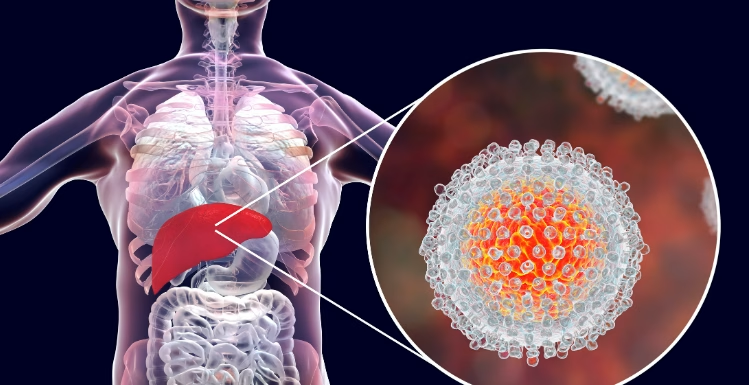
Hepatitis C is a viral infection that attacks the liver, often leading to serious complications such as cirrhosis, liver failure, and even liver cancer. While it is a significant global health concern, many people are unaware of the disease’s long-term effects and how they can protect themselves. This article will cover everything you need to know about Hepatitis C, including its causes, symptoms, diagnosis, treatment options, and preventive measures. Whether you’re looking to learn more for personal reasons or to spread awareness, this comprehensive guide will provide valuable insights.
Table of Contents
What is Hepatitis C?
It is caused by the Hepatitis C virus (HCV), which primarily affects the liver. The infection can range from mild to severe, with many people experiencing no symptoms at all, especially in the early stages. However, chronic infection can lead to severe liver damage over time.
There are six major strains, or genotypes, of HCV, which can further split into several subtypes. Genotype 1 is the most common worldwide, while genotype 3 is more prevalent in certain parts of Asia and Europe. Each genotype can have a different impact on the severity of the disease and the treatment required.
How is Hepatitis C Spread?
It is primarily transmitted through blood-to-blood contact. The most common ways the virus is spread include:
- Sharing needles or syringes: This is a leading cause of transmission, especially in people who inject drugs.
- Blood transfusions: Before blood screening became widespread in the 1990s, It was often transmitted through contaminated blood transfusions. Today, this is much less of a risk due to improved screening practices.
- Needle stick injuries: Healthcare workers are at an increased risk if they are exposed to infected needles or sharp objects.
- Tattooing and body piercing: If proper hygiene and sterilization are not followed, the virus can spread through unclean needles.
- Sexual contact: Although less common, It can be transmitted through unprotected sex, particularly if there are cuts or sores that allow blood to mix.
Symptoms of Hepatitis C
It is often called a “silent” disease because it can remain asymptomatic for years, or even decades. In fact, many people may not realize they have the virus until significant liver damage has occurred. However, when symptoms do appear, they can include:
- Fatigue: One of the most common complaints from those infected with it is persistent tiredness.
- Nausea and vomiting: Many people with Hepatitis C experience digestive issues.
- Jaundice: This is a yellowing of the skin and eyes, often signifying liver dysfunction.
- Abdominal pain: Pain or discomfort in the upper right side of the abdomen is a possible sign of liver issues.
- Loss of appetite: Hepatitis C can interfere with normal digestion, leading to a loss of appetite.
- Dark urine and light-colored stools: These are common signs of liver problems.
- Joint pain: Some people may also experience pain in their joints.
If left untreated, chronic Hepatitis C can cause severe liver damage, leading to cirrhosis or liver cancer. In fact, Hepatitis C is one of the leading causes of liver transplants globally.
The Stages of Hepatitis C
It is infection can progress through different stages. Here’s a breakdown of what happens during each stage:
Acute Hepatitis C: This is the initial phase of infection, usually occurring within the first six months after exposure to the virus. It is often mild, and many people don’t experience symptoms. About 15%–25% of people will naturally clear the virus from their system without needing treatment.
Chronic Hepatitis C: If the body does not clear the virus during the acute phase, it can lead to chronic infection. This can last for years or even a lifetime, with the virus silently damaging the liver. Chronic Hepatitis C may not present symptoms for decades but can lead to cirrhosis, liver failure, and liver cancer.
Cirrhosis: After years of liver damage, scar tissue forms, leading to cirrhosis. This condition can impair liver function, making it more difficult for the liver to perform its critical tasks, such as detoxifying the blood, producing important proteins, and aiding digestion.
Liver Cancer: Chronic Hepatitis C is a major risk factor for the development of hepatocellular carcinoma (HCC), the most common form of liver cancer. Individuals with cirrhosis or chronic liver disease caused by Hepatitis C are at an elevated risk of developing this cancer.
How is Hepatitis C Diagnosed?
Diagnosing Hepatitis C involves a few key steps. If you suspect you’ve been exposed to the virus, it’s important to get tested. Here’s what the process typically involves:
Blood Test: A simple blood test called an anti-HCV antibody test is used to detect if you have been exposed to the virus. If the result is positive, it means you have been infected at some point, but further testing is needed to confirm the active infection.
HCV RNA Test: This test measures the amount of virus in your blood and confirms whether you are currently infected with it.
Genotype Test: This test determines the strain or genotype of the virus, which helps doctors decide the best treatment plan for you.
Liver Biopsy/Imaging: To assess the level of liver damage, a liver biopsy or imaging tests (like ultrasound or elastography) may be used to check for cirrhosis or liver cancer.
Treatment for Hepatitis C
The treatment landscape for Hepatitis C has changed dramatically in recent years. While antiviral medications were once lengthy and difficult to tolerate, the introduction of direct-acting antivirals (DAAs) has revolutionized treatment. These drugs have a high cure rate (up to 95% or more) and are generally well-tolerated.
Medications for it:
- Sofosbuvir (Sovaldi): This is one of the most common DAAs used to treat it. It works by blocking the virus’s ability to replicate.
- Ledipasvir/Sofosbuvir (Harvoni): This combination treatment is highly effective and is usually taken once a day for 8-12 weeks.
- Velpatasvir/Sofosbuvir (Epclusa): This combination medication is effective against all genotypes of Hepatitis C.
- Glecaprevir/Pibrentasvir (Mavyret): This combination medication is also highly effective, and treatment typically lasts only 8 weeks.
Treatment duration typically ranges from 8 to 12 weeks, depending on the severity of the infection and the specific medication regimen prescribed.
Preventing Hepatitis C
Preventing Hepatitis C is much easier than treating it, and there are several key steps you can take to reduce your risk of contracting the virus:
Avoid Sharing Needles: If you inject drugs, always use a new, sterile needle. Never share needles or syringes with others.
Practice Safe Sex: Use condoms during sexual activity, especially if you have multiple partners or engage in high-risk activities.
Screen Blood Products: In many countries, blood products are carefully screened to ensure they do not contain Hepatitis C.
Be Careful with Tattoos and Piercings: Ensure that the tattoo or piercing studio uses sterilized equipment and follows strict hygiene protocols.
Get Tested: If you are at high risk or have been exposed to Hepatitis C, regular testing is crucial for early detection.
The Importance of Early Detection
The sooner Hepatitis C is detected, the sooner treatment can begin. Early treatment increases the chances of a full recovery, prevents liver damage, and reduces the risk of complications such as cirrhosis and liver cancer. People who are at higher risk of contracting Hepatitis C, such as individuals with a history of injecting drugs, should get tested regularly.
Living with Hepatitis C: What You Need to Know
For individuals living with Hepatitis C, maintaining a healthy lifestyle is essential to managing the disease. Here are a few tips:
- Follow your doctor’s instructions: Always complete your prescribed treatment course and attend follow-up appointments.
- Avoid alcohol: Alcohol can worsen liver damage and interfere with treatment.
- Eat a healthy diet: A balanced diet helps maintain overall health and supports liver function.
- Exercise regularly: Staying active can help manage your weight and improve liver health.
Conclusion
Hepatitis C is a serious viral infection that can have long-term consequences if left untreated. However, with early diagnosis, effective treatment options, and preventative measures, Hepatitis C is a manageable condition. If you suspect you might be at risk, or if you’re unsure about your Hepatitis C status, talk to your healthcare provider about getting tested. By raising awareness about the disease and understanding how it spreads, we can reduce its prevalence and protect future generations from its devastating effects.
Disclaimer
Select bests can mistakes. The information provided in this article is for educational and informational purposes only and should not be considered a substitute for professional medical advice, diagnosis, or treatment. Always consult a qualified healthcare provider if you have concerns about your health or suspect you may have been exposed to Hepatitis C. Never disregard professional medical advice or delay seeking treatment because of something you have read here.




2 thoughts on “Hepatitis C: Understanding, Prevention, and Treatment”
Comments are closed.