Depression is a common but serious mental health condition that affects millions of people worldwide. It can impact how individuals feel, think, and handle daily activities such as sleeping, eating, or working. Unlike occasional sadness or grief, depression is persistent and requires a deeper understanding and often professional intervention.
In this article, we’ll explore the symptoms in detail, helping individuals recognize the signs early and seek appropriate help.

Table of Contents
What is Depression?
Clinically referred to as major depressive disorder (MDD), is a mood disorder characterized by prolonged feelings of sadness, hopelessness, and a lack of interest or pleasure in activities once enjoyed. While it is a medical condition with emotional and physical symptoms, its root causes are often multifactorial, involving a combination of genetic, biological, environmental, and psychological factors.
Symptoms of Depression
Depression manifests differently in every individual, but certain key symptoms are widely recognized. These symptoms can be categorized into emotional, physical, cognitive, and behavioral domains.
1. Emotional Symptoms
a. Persistent Sadness
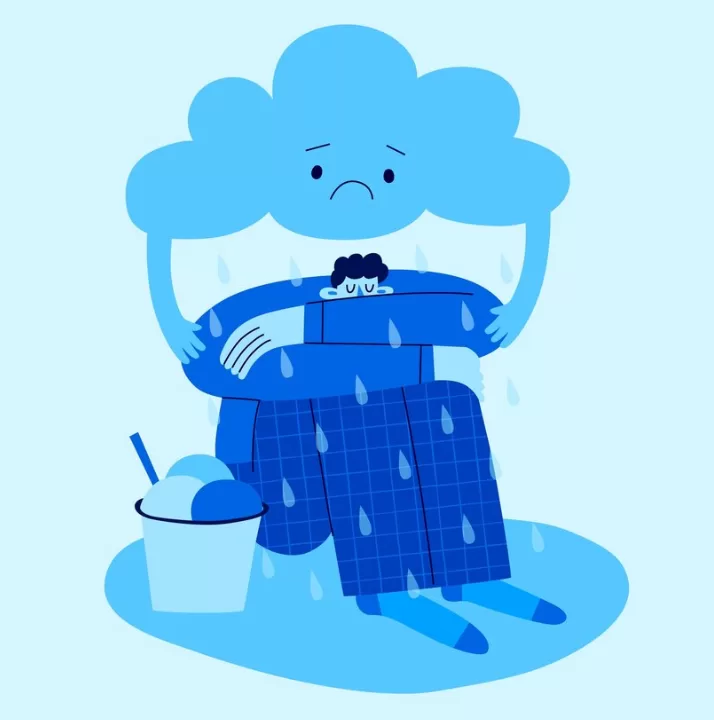
A hallmark symptom of depression is an overwhelming sense of sadness that persists for weeks or longer, often without a clear reason.
b. Hopelessness and Helplessness
Depressed individuals frequently feel as though nothing will improve and that they have no control over their situation.
c. Low Self-Esteem and Guilt
Feelings of worthlessness or excessive guilt about past actions are common, even if such feelings are irrational.
d. Irritability or Frustration
Some people experience irritability or anger rather than sadness, often reacting disproportionately to small annoyances.
2. Physical Symptoms
Doesn’t just affect the mind—it has tangible effects on the body as well.
a. Fatigue and Low Energy
A lack of energy is one of the most reported physical symptoms, making even small tasks feel exhausting.
b. Sleep Disturbances
Can cause insomnia, difficulty staying asleep, or hypersomnia (excessive sleeping).
c. Appetite and Weight Changes
People with depression might experience a loss of appetite and significant weight loss, or conversely, they might overeat and gain weight.
d. Physical Pain
Unexplained aches, headaches, or stomach issues can sometimes accompany depression, especially when no other medical cause is identified.
3. Cognitive Symptoms
Can interfere with how a person thinks, affecting decision-making and concentration.
a. Difficulty Concentrating
Depression often results in trouble focusing, remembering details, or making decisions.
b. Negative Thought Patterns
Repetitive, intrusive thoughts about failure, self-criticism, or doom are common.
c. Suicidal Ideation
In severe cases, individuals might think about death or have recurring thoughts of self-harm or suicide.
4. Behavioral Symptoms
Changes in behavior can also signal depression.
a. Withdrawal from Social Activities
People with depression often isolate themselves, withdrawing from friends, family, or activities they once enjoyed.
b. Reduced Productivity
The lack of motivation and energy can lead to decreased performance at work, school, or in other commitments.
c. Risky or Self-Destructive Behaviors
Some individuals may turn to alcohol, drugs, or other risky activities as a coping mechanism.
Types of Depression and Their Unique Symptoms
Depression isn’t a one-size-fits-all diagnosis. Different forms of the condition may present with distinct symptoms.
1. Major Depressive Disorder (MDD)
This is the most common form of depression, characterized by a persistent low mood, loss of interest, and other symptoms lasting at least two weeks.
2. Persistent Depressive Disorder (PDD)
Also known as dysthymia, PDD involves long-term (two years or more) depressive symptoms that may not be as severe as MDD but still significantly impact quality of life.
3. Bipolar Disorder
Depression is a component of bipolar disorder, marked by episodes of depressive lows alternating with manic highs.
4. Postpartum Depression (PPD)
A type of depression that occurs in women after childbirth, PPD includes emotional instability, exhaustion, and feelings of inadequacy.
5. Seasonal Affective Disorder (SAD)
SAD is a form of depression tied to seasonal changes, often occurring during the fall and winter months when there is less sunlight.
Causes and Risk Factors
Understanding the root causes and risk factors of depression is critical to addressing it effectively.
1. Biological Factors
- Imbalances in brain chemicals (neurotransmitters like serotonin and dopamine)
- Hormonal changes, such as those during pregnancy or menopause
- Genetic predisposition (family history of depression)
2. Psychological Factors
- Negative thought patterns
- Low self-esteem
- Chronic stress or trauma
3. Environmental Factors
- Financial difficulties, job loss, or relationship issues
- Loss of a loved one
- Chronic illnesses or pain
When to Seek Help
If you or someone you know is experiencing symptoms of depression that persist for more than two weeks and interfere with daily life, it’s essential to seek professional help.
Signs That Require Immediate Attention
- Thoughts of self-harm or suicide
- Complete withdrawal from social interactions
- Inability to perform basic tasks like eating or grooming
Mental health professionals such as psychologists, psychiatrists, and counselors can provide tailored support through therapy, medication, or a combination of both.
Coping Strategies and Treatment Options
1. Psychotherapy
- Cognitive Behavioral Therapy (CBT) helps individuals identify and change negative thought patterns.
- Interpersonal Therapy (IPT) focuses on improving personal relationships and communication.
2. Medication
- Antidepressants like SSRIs (e.g., fluoxetine) or SNRIs (e.g., venlafaxine) can help correct chemical imbalances in the brain.
3. Lifestyle Changes
- Regular exercise can release endorphins that improve mood.
- A balanced diet with omega-3 fatty acids, whole grains, and vegetables supports brain health.
- Mindfulness practices like meditation and yoga can reduce stress.
4. Support Groups
Talking to others who understand your experiences can provide comfort and reduce feelings of isolation.
Breaking the Stigma
Despite its prevalence, depression is often stigmatized, preventing people from seeking help. Education and open conversations about mental health can break this stigma, encouraging a supportive and understanding environment.
Conclusion
Depression is a complex condition that goes beyond temporary sadness. By recognizing the emotional, physical, cognitive, and behavioral symptoms, individuals can seek timely intervention and regain control of their lives.
Remember, depression is treatable, and help is available. If you or someone you know is struggling, don’t hesitate to reach out to a healthcare provider, therapist, or helpline.
Disclaimer
Select Bests Can Mistakes. This article is for informational purposes only and should not replace professional advice. If you are experiencing severe symptoms or considering self-harm, seek immediate help from a healthcare professional or contact a crisis hotline in your area.