


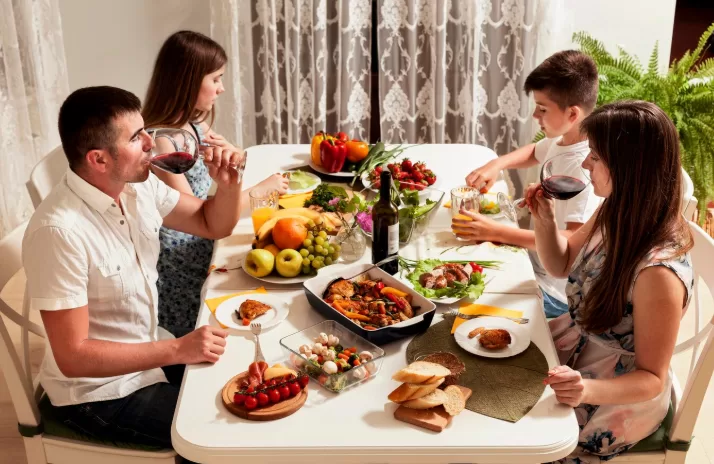
In today’s fast-paced world, it’s easy to let healthy family dinners fall by the wayside. However, sitting down for a meal together isn’t just about satisfying hunger—it’s a vital opportunity to connect, share, and build healthier habits. Healthy family dinners are not only essential for physical well-being but also for fostering emotional bonds.
This article will explore the importance of healthy family dinners, provide practical tips for planning and preparing meals, and share delicious, family-friendly recipes.
Table of Contents
The Importance of Family Dinners
1. Nutritional Benefits
Cooking at home allows you to control what goes into your meals, ensuring they are rich in nutrients and free from excessive sugar, salt, and unhealthy fats. Healthy family dinners contribute to better overall health, reduced risk of chronic diseases, and improved energy levels for everyone.
2. Emotional Connection
Healthy family dinners provide a platform for open communication, strengthening relationships between parents and children. Studies show that children who regularly eat with their families are less likely to experience mental health issues and perform better academically.
3. Teaching Healthy Habits
Mealtime is an excellent opportunity to teach children about balanced diets, portion control, and the importance of fresh ingredients. Involving kids in meal preparation also encourages them to try new foods and develop a positive relationship with eating.
Principles of Healthy Family Dinners
Creating healthy family dinners doesn’t have to be complicated. By following these principles, you can ensure your meals are both nutritious and enjoyable:
1. Balance Your Plate
Include a variety of food groups:
- Protein: Lean meats, poultry, fish, beans, lentils, and tofu
- Vegetables: A mix of colorful, seasonal veggies for vitamins and minerals
- Whole Grains: Brown rice, quinoa, whole wheat pasta, or bread
- Healthy Fats: Olive oil, avocados, nuts, and seeds
2. Keep Portions in Check
Avoid overeating by serving appropriate portion sizes. Use smaller plates for children and ensure meals are tailored to everyone’s dietary needs.
3. Minimize Processed Foods
Focus on whole, minimally processed ingredients. Prepare meals from scratch whenever possible to reduce the intake of additives, preservatives, and unhealthy fats.
4. Plan Ahead
Meal planning is key to avoiding unhealthy last-minute takeout. Spend some time each week planning meals, prepping ingredients, and shopping for groceries.
Tips for Preparing Healthy Family Dinners
1. Make It a Family Activity
Involve every family member in the cooking process. Assign tasks based on age and ability, like washing vegetables, stirring sauces, or setting the table.
2. Batch Cook for Busy Days
Prepare large portions of meals like soups, stews, or casseroles and freeze them in individual portions for busy evenings.
3. Sneak in Veggies
If your kids are picky eaters, blend vegetables into sauces, soups, or smoothies. For example, pureed carrots or zucchini can be added to pasta sauce without altering the taste.
4. Keep it Simple
Healthy doesn’t mean elaborate. Quick meals like grilled chicken, roasted veggies, and a side of quinoa can be both nutritious and delicious.
Healthy Family Dinner Ideas
Here are some tried-and-tested recipes that are perfect for families:
1. One-Pan Lemon Herb Chicken and Vegetables
Ingredients:
- 4 boneless, skinless chicken breasts
- 2 cups broccoli florets
- 1 cup cherry tomatoes
- 1 zucchini, sliced
- 2 tbsp olive oil
- 2 lemons, juiced
- 2 cloves garlic, minced
- 1 tsp dried thyme
- Salt and pepper to taste
Instructions:
- Preheat the oven to 375°F (190°C).
- Arrange chicken breasts and vegetables on a baking sheet.
- Drizzle with olive oil and lemon juice. Sprinkle with garlic, thyme, salt, and pepper.
- Bake for 25-30 minutes or until the chicken is cooked through.
Why it’s Healthy:
This dish is high in lean protein and packed with nutrient-rich vegetables, all cooked with heart-healthy olive oil.

2. Veggie-Loaded Turkey Meatballs with Whole Wheat Spaghetti
Ingredients:
- 1 lb ground turkey
- 1 cup grated zucchini
- 1/2 cup grated carrots
- 1/4 cup breadcrumbs
- 1 egg
- 1 tsp Italian seasoning
- 1 jar marinara sauce
- 8 oz whole wheat spaghetti
Instructions:
- Preheat the oven to 400°F (200°C).
- Mix turkey, grated vegetables, breadcrumbs, egg, and seasoning in a bowl. Form into meatballs.
- Place meatballs on a baking sheet and bake for 15-20 minutes.
- Cook spaghetti according to package instructions.
- Heat marinara sauce and combine with cooked meatballs. Serve over spaghetti.
Why it’s Healthy:
The addition of veggies boosts fiber and vitamins, while turkey provides a lean source of protein.
3. Quinoa Salad with Roasted Sweet Potatoes and Chickpeas
Ingredients:
- 1 cup quinoa
- 2 medium sweet potatoes, diced
- 1 can chickpeas, drained and rinsed
- 2 cups spinach
- 2 tbsp olive oil
- 1 tsp paprika
- 1 lemon, juiced
Instructions:
- Cook quinoa according to package instructions.
- Toss sweet potatoes and chickpeas with olive oil and paprika. Roast at 400°F (200°C) for 20-25 minutes.
- In a large bowl, combine quinoa, roasted vegetables, and spinach. Drizzle with lemon juice and toss to combine.
Why it’s Healthy:
This plant-based meal is rich in fiber, protein, and antioxidants, making it a powerhouse of nutrients.
Dealing with Picky Eaters
1. Offer Choices
Let kids choose between two healthy options. For instance, “Would you like broccoli or carrots?” This empowers them while keeping meals nutritious.
2. Lead by Example
Children are more likely to eat healthily if they see parents and siblings doing the same. Make mealtime a positive experience.
3. Be Patient with New Foods
It can take several exposures for kids to accept a new food. Encourage them to try a bite without forcing it.
The Role of Technology at the Dinner Table
While technology has its benefits, mealtime is an excellent opportunity to disconnect from screens. Encourage face-to-face conversation and mindfulness during dinner. A no-technology rule at the table can improve family interactions and enhance the dining experience.
Conclusion
Healthy family dinners are more than just meals—they’re a foundation for a healthier and happier family life. By planning nutritious, delicious recipes and involving everyone in the process, you create a tradition that fosters both physical and emotional well-being.
Remember, the key to success is consistency and making healthy family dinners enjoyable and stress-free. Whether it’s a quick one-pan meal or an elaborate homemade pizza night, what matters most is the time spent together.
Start your journey today with these simple tips and recipes—because a family that eats well together, thrives together.
Disclaimer
Select Bests Can Mistakes. This article is for informational purposes only and should not replace professional advice.


4 thoughts on “Healthy Family Dinners”
Comments are closed.