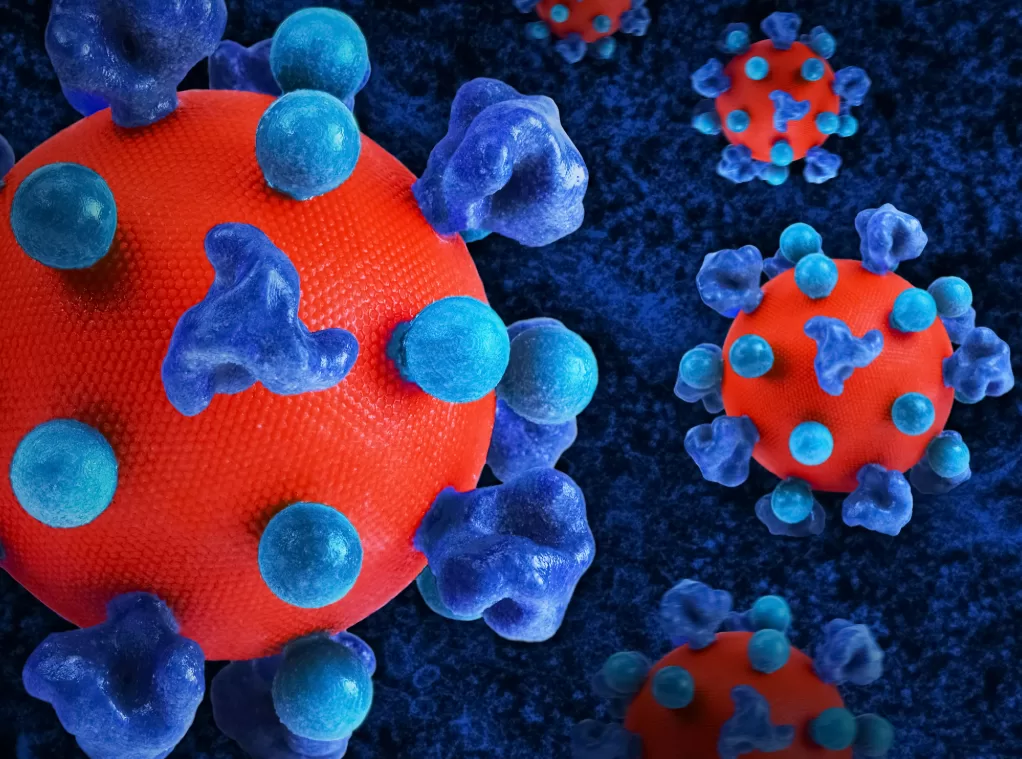
Human Immunodeficiency Virus (HIV) is a viral infection that weakens the immune system, leaving the body more vulnerable to infections and certain cancers. Despite advancements in treatment and awareness, HIV remains a critical global health concern. Recognizing its symptoms early can lead to timely diagnosis and treatment, improving quality of life and reducing the risk of transmission.
This article provides a comprehensive overview of HIV symptoms, categorized by the stages of the disease, and highlights the importance of early detection and management.
Table of Contents
Understanding HIV HIV Symptoms
HIV attacks the immune system by targeting CD4 cells (T cells), which play a crucial role in defending the body against infections. If left untreated, HIV can progress to Acquired Immunodeficiency Syndrome (AIDS), the most severe stage of the infection.
HIV is primarily transmitted through:
- Unprotected sexual contact.
- Sharing needles or syringes.
- Blood transfusions with infected blood (rare in countries with stringent screening).
- From mother to child during childbirth or breastfeeding.
Stages of HIV and Associated Symptoms
HIV symptoms vary depending on the stage of the infection. Some individuals may not exhibit noticeable symptoms for years, underscoring the importance of regular testing, especially for those at higher risk.
Stage 1: Acute HIV Infection (2-4 Weeks Post-Exposure)
The acute phase is the earliest stage of HIV, often referred to as acute retroviral syndrome (ARS) or primary HIV infection. During this phase, the virus multiplies rapidly, and the body mounts an immune response.
Common Symptoms:
- Fever: A persistent, low-grade fever is one of the most common early signs.
- Fatigue: Extreme tiredness that doesn’t improve with rest.
- Swollen Lymph Nodes: Often felt in the neck, armpits, or groin.
- Sore Throat: A scratchy or painful throat.
- Skin Rash: A generalized rash, sometimes with small, flat, or raised red spots.
- Muscle and Joint Pain: Achiness similar to flu symptoms.
- Headache: Persistent or severe headaches.
- Night Sweats: Excessive sweating during sleep.
These symptoms resemble those of the flu or other viral infections, making it challenging to recognize HIV without testing.
Stage 2: Clinical Latency (Chronic HIV Infection)
During this stage, also known as the asymptomatic phase or clinical latency, the virus remains active but reproduces at lower levels. This phase can last several years, depending on the individual and whether they receive treatment.
Symptoms:
Most individuals do not experience symptoms during this stage. However, some may notice:
- Mild and occasional flu-like symptoms.
- Swelling of lymph nodes.
- Minor infections or illnesses that resolve quickly.
Regular medical monitoring and antiretroviral therapy (ART) are critical during this phase to control the virus and prevent progression to AIDS.
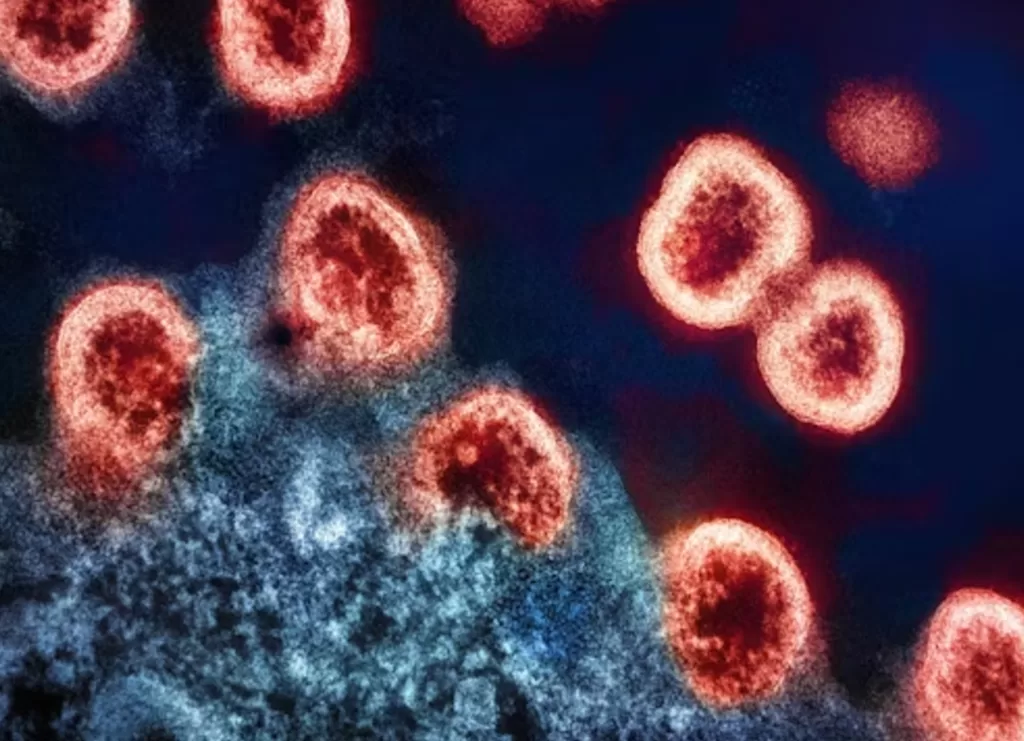
Stage 3: Acquired Immunodeficiency Syndrome (AIDS)
AIDS is the most advanced stage of HIV infection and occurs when the immune system is severely weakened. Without treatment, life expectancy significantly decreases at this stage.
Symptoms:
- Rapid Weight Loss: Often referred to as “wasting syndrome.”
- Chronic Diarrhea: Lasting for weeks without an apparent cause.
- Recurring Fever: Intermittent or persistent fever.
- Night Sweats: Severe and frequent episodes.
- Severe Fatigue: Fatigue that impacts daily life.
- Opportunistic Infections: Infections that take advantage of the weakened immune system, such as tuberculosis, pneumonia, or fungal infections.
- Skin Issues: Persistent rashes, sores, or lesions, particularly in the mouth or genitals.
- Neurological Symptoms: Memory loss, depression, or other cognitive issues.
Why Recognizing Symptoms Early is Crucial
1. Early Diagnosis and Treatment
Early detection through testing allows individuals to start ART promptly. This treatment:
- Reduces the viral load in the body.
- Strengthens the immune system.
- Prevents progression to AIDS.
2. Reducing Transmission Risk
Knowing one’s HIV status and starting treatment reduces the risk of transmitting the virus to others, including sexual partners and, in the case of pregnant individuals, to their babies.
When to Get Tested for HIV
Testing is the only way to confirm an HIV infection. The Centers for Disease Control and Prevention (CDC) recommends routine testing for:
- Everyone aged 13 to 64 at least once as part of regular healthcare.
- People with higher risk factors, such as multiple sexual partners or sharing needles, more frequently.
Additionally, individuals experiencing symptoms of acute HIV or who suspect recent exposure should seek immediate testing.
Misconceptions About HIV Symptoms
HIV Symptoms Are Always Obvious.
Many people live with HIV for years without noticeable symptoms, especially during the clinical latency stage.
You Can Tell If Someone Has HIV by Looking at Them.
HIV cannot be diagnosed based on physical appearance. Only a test can confirm its presence.
Rashes and Fever Always Mean HIV.
While these are early symptoms, they are also common in many other conditions.
Managing and Living with HIV
HIV is a manageable condition today, thanks to advancements in medicine and care. With early diagnosis and adherence to ART, people living with HIV can:
- Maintain a near-normal life expectancy.
- Lead fulfilling, productive lives.
- Reduce their viral load to undetectable levels, meaning they cannot transmit the virus to others (Undetectable = Untransmittable or U=U).
Support and Resources:
- Join support groups for emotional and mental well-being.
- Regularly consult healthcare providers for check-ups and monitoring.
- Educate yourself and others about HIV to reduce stigma.

Prevention Tips to Avoid HIV Infection
While recognizing symptoms is vital, prevention remains key to combating HIV:
- Practice Safe Sex: Use condoms consistently and correctly.
- Consider PrEP: Pre-exposure prophylaxis (PrEP) is a daily medication for those at high risk.
- Avoid Sharing Needles: Use sterile equipment for injections.
- Get Regular Testing: Early detection helps prevent unintentional transmission.
- Prevent Mother-to-Child Transmission: Pregnant individuals with HIV should consult healthcare providers for ART and delivery options.
Conclusion
HIV symptoms can vary widely and often mimic other illnesses, making regular testing essential for accurate diagnosis. Early detection and treatment significantly improve outcomes, reducing the risk of progression to AIDS and enhancing overall quality of life.
By understanding HIV symptoms and prioritizing prevention and care, we can move closer to a world free of HIV-related stigma and complications. If you suspect exposure or experience symptoms, seek medical advice and testing promptly.
Knowledge is power, and with awareness, we can take the right steps toward health and well-being.
Disclaimer
Select bests can misatkes. This article is for informational purposes only and does not substitute professional medical advice, diagnosis, or treatment. Always consult a qualified healthcare provider if you suspect you have been exposed to HIV or are experiencing related symptoms.