


Good nutrition is the cornerstone of a healthy lifestyle. What we eat directly impacts our energy levels, immune system, mental health, and overall well-being. Yet, navigating the world of nutrition can often feel overwhelming due to the vast amount of conflicting information.
This article provides practical, science-backed tips to improve your eating habits and support a healthier, more vibrant life.
Table of Contents
1. Focus on Whole Foods
Whole foods, such as fruits, vegetables, whole grains, nuts, and seeds, are minimally processed and packed with essential nutrients. Unlike highly processed foods, which often contain excess sugars, unhealthy fats, and additives, whole foods provide:
- Vitamins and minerals essential for body functions.
- Fiber for digestive health and improved satiety.
- Antioxidants to combat inflammation and oxidative stress.
Tip:
Aim to make at least 80% of your diet consist of whole foods. Swap out processed snacks for fresh fruits, raw nuts, or yogurt for a healthier option.
2. Stay Hydrated
Hydration plays a critical role in maintaining overall health. Water supports digestion, nutrient absorption, temperature regulation, and toxin elimination. Dehydration can lead to fatigue, headaches, and impaired concentration.
Tip:
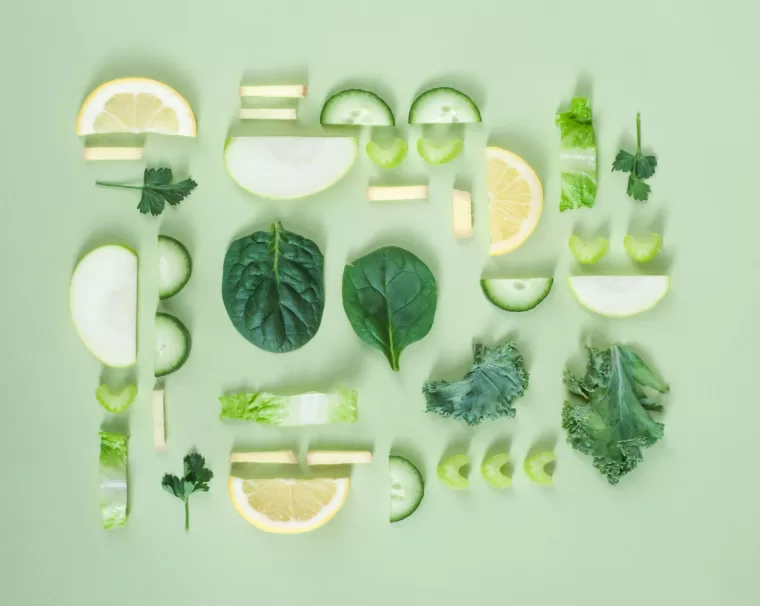
Drink at least 8-10 glasses (2-3 liters) of water daily. If plain water feels monotonous, try infusing it with lemon, mint, or cucumber for added flavor.
3. Balance Your Macronutrients
Your body needs a combination of macronutrients—carbohydrates, proteins, and fats—for energy and repair. Striking the right balance is key:
- Carbohydrates: Opt for whole grains, legumes, and starchy vegetables.
- Proteins: Include lean meats, eggs, tofu, beans, and dairy.
- Healthy fats: Incorporate avocados, olive oil, nuts, seeds, and fatty fish like salmon.
Tip:
Use the “plate method” to balance macronutrients: fill half your plate with vegetables, a quarter with lean protein, and a quarter with whole grains or starchy carbs.
4. Control Portion Sizes
Overeating—even healthy foods—can lead to weight gain and other health issues. Portion control is an essential part of mindful eating.
Tip:
- Use smaller plates and bowls to naturally reduce serving sizes.
- Listen to your hunger cues, and stop eating when you’re about 80% full.
- Avoid eating directly from large containers or packages.
5. Include More Plant-Based Meals
Plant-based diets are linked to numerous health benefits, including lower risks of heart disease, diabetes, and certain cancers. Incorporating more plant-based meals can enhance nutrient intake while reducing environmental impact.
Tip:
Try “Meatless Mondays” or experiment with plant-based recipes that include beans, lentils, chickpeas, and tofu.
6. Limit Added Sugars and Salt
Excessive consumption of added sugars and sodium is associated with chronic conditions like obesity, diabetes, and hypertension. While natural sugars in fruits and dairy are fine, added sugars in processed foods can be detrimental.
Tip:
- Read labels to identify hidden sugars and salts.
- Replace sugary drinks with herbal teas or flavored water.
- Use herbs and spices instead of salt to season dishes.
7. Don’t Skip Breakfast
Breakfast kickstarts your metabolism and provides the energy you need to start your day. A balanced breakfast stabilizes blood sugar levels and reduces mid-morning cravings.
Tip:
Choose a combination of complex carbs, protein, and healthy fats, such as:
- Whole-grain toast with avocado and a boiled egg.
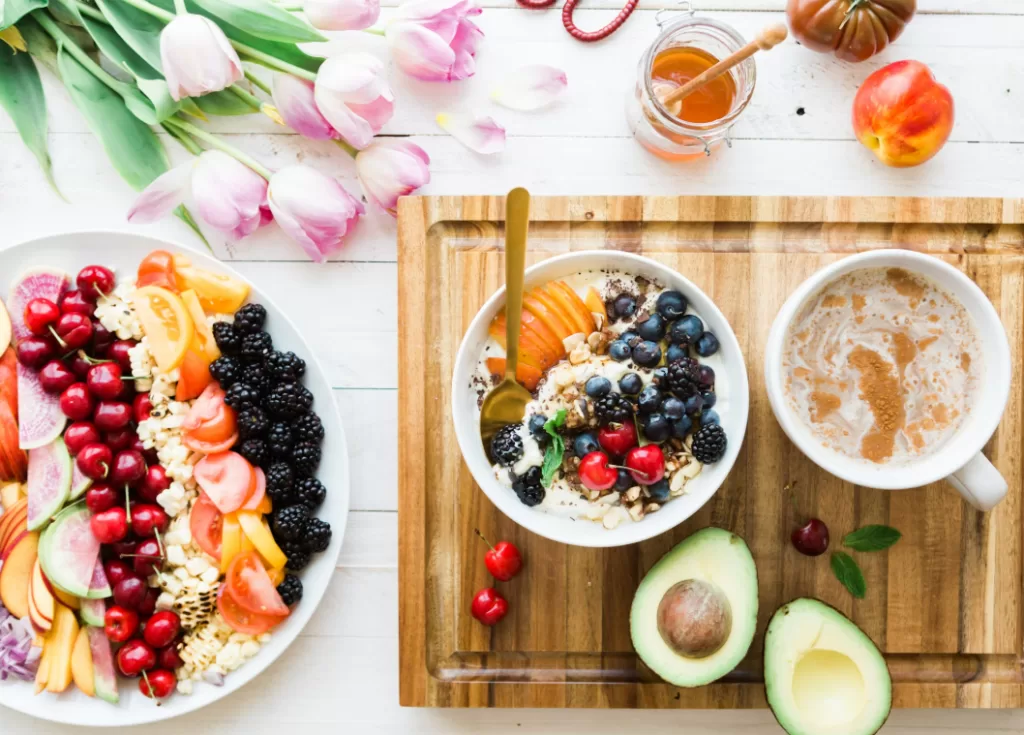
- Greek yogurt with berries and a sprinkle of nuts.
8. Practice Mindful Eating
Mindful eating involves being present and fully aware of your food choices, hunger cues, and portion sizes. It helps prevent overeating and fosters a healthier relationship with food.
Tip:
- Eat without distractions like TV or phones.
- Chew slowly and savor each bite.
- Pay attention to how your body feels during and after meals.
9. Prepare and Plan Your Meals
Meal prepping ensures you have nutritious options readily available, reducing the temptation to reach for unhealthy fast food or snacks.
Tip:
- Dedicate a few hours each week to plan and prepare meals.
- Store pre-cut vegetables, cooked grains, and proteins in airtight containers for easy assembly during busy days.
- Use a meal planning app to track your grocery list and recipes.
10. Consult a Nutrition Professional
If you have specific health goals or dietary concerns, a registered dietitian or nutritionist can provide tailored advice and create a plan that suits your needs.
Tip:
Whether you’re aiming to lose weight, manage a chronic condition, or improve overall health, personalized guidance can make all the difference.
Additional Insights on Nutrition
1. The Role of Micronutrients
Micronutrients, such as vitamins and minerals, are essential for overall health. Ensure your diet includes:
- Vitamin C: Found in citrus fruits and bell peppers.
- Iron: Present in leafy greens, beans, and lean meats.
- Calcium: Abundant in dairy products, tofu, and fortified plant-based milk.
2. The Importance of Gut Health
A healthy gut microbiome aids digestion, boosts immunity, and reduces inflammation. Probiotic-rich foods like yogurt, kefir, and fermented vegetables support gut health.
3. The Impact of Nutrition on Mental Health
What you eat influences your mood and mental well-being. Diets rich in omega-3 fatty acids, antioxidants, and complex carbohydrates support brain function and reduce stress.
Conclusion
Nutrition is not about rigid diets or deprivation but about making informed, balanced choices that nourish your body and mind. Incorporating these 10 tips into your lifestyle can help you feel energized, reduce the risk of chronic diseases, and improve your overall quality of life.
Remember, small, consistent changes often lead to the most sustainable results. Start with one or two tips, and gradually incorporate more as you progress. Good nutrition is a journey, not a destination.
Eat well, live well, and thrive!
Disclaimer
Select bests can mistakes. This article is for informational purposes only and does not constitute medical or professional advice. Always consult a healthcare professional or registered dietitian for personalized dietary recommendations and health concerns.


3 thoughts on “Nutrition: 10 Tips for a Healthier Lifestyle”
Comments are closed.