

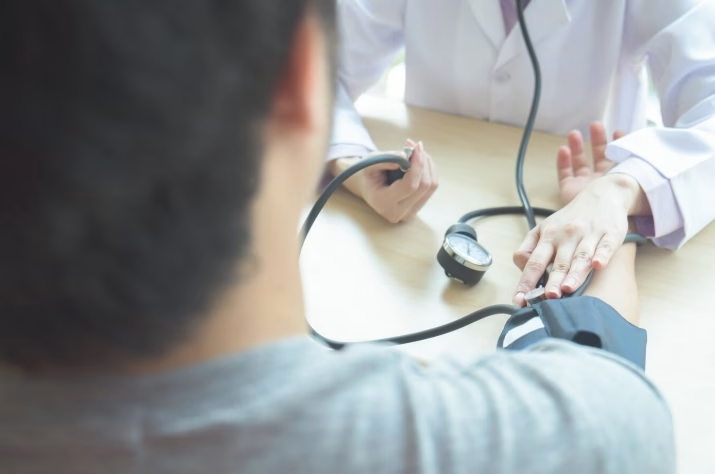
Hypertension, often referred to as high blood pressure, is one of the most common health conditions affecting millions of people worldwide. Despite being widely recognized, many individuals live with hypertension without even realizing it, making it a leading cause of heart disease, stroke, and kidney failure. But what exactly is hypertension, what causes it, and how can it be managed or prevented? In this article, we will explore these critical questions, providing powerful information that can help you understand hypertension and take proactive steps towards better health.
Table of Contents
What is Hypertension?
It occurs when the force of blood against the walls of your arteries is consistently too high. Blood pressure is measured in millimeters of mercury (mmHg) and recorded as two numbers:
- Systolic Pressure: This is the higher number, indicating the pressure in the arteries when your heart beats.
- Diastolic Pressure: This is the lower number, representing the pressure in your arteries when your heart is at rest between beats.
Normal blood pressure is typically considered to be around 120/80 mmHg. However, it is diagnosed when:
- Systolic pressure is 130 mmHg or higher.
- Diastolic pressure is 80 mmHg or higher.
It is classified into two categories:
- Primary (Essential) Hypertension: This form develops gradually over many years and has no clear cause, though genetic factors, lifestyle choices, and environmental influences play significant roles.
- Secondary Hypertension: This type is caused by an underlying condition, such as kidney disease, hormone disorders, or certain medications.
While it is often called the “silent killer” due to the lack of noticeable symptoms, it can cause severe damage to the body over time. Left unchecked, it increases the risk of heart disease, stroke, kidney damage, and even vision loss.
Causes and Risk Factors of Hypertension
Understanding the causes and risk factors of hypertension is crucial for prevention and management. Some factors are uncontrollable, while others are influenced by lifestyle choices.
Uncontrollable Risk Factors
- Genetics and Family History: A family history of it increases your risk of developing the condition. Genetic factors can influence how your body regulates blood pressure.
- Age: As we age, the blood vessels become stiffer, making it harder for blood to flow easily. This increases the likelihood of it.
- Gender: Men are more likely to develop hypertension at a younger age, while women’s risk increases after menopause.
- Ethnicity: Certain ethnic groups, particularly African-Americans, have a higher predisposition to it, which may develop at an earlier age and be more severe.
Controllable Risk Factors
- Poor Diet: A diet high in salt, fat, and cholesterol can lead to increased blood pressure. Eating too much processed food and lacking essential nutrients contributes to weight gain and poor cardiovascular health.
- Physical Inactivity: Regular physical activity helps to keep the heart strong and the arteries flexible. Sedentary lifestyles increase the risk of it.
- Obesity: Being overweight or obese increases the strain on the heart and can cause blood pressure to rise. The extra fat in the body demands more blood flow, raising the blood pressure in the arteries.
- Excessive Alcohol Consumption: Drinking too much alcohol can raise blood pressure, even if it’s occasional. Chronic alcohol use can significantly impact blood pressure control.
- Smoking: Smoking damages the blood vessels, leading to narrower arteries and increased blood pressure. Nicotine also increases heart rate, which can raise blood pressure.
- Chronic Stress: Long-term stress can cause blood pressure to spike, and unhealthy coping mechanisms like overeating, drinking alcohol, or smoking can exacerbate the issue.
- Lack of Sleep: Sleep apnea and poor-quality sleep can elevate blood pressure and contribute to the development of it.
Symptoms of Hypertension
One of the most alarming aspects of hypertension is that it often shows no obvious symptoms. Most people with high blood pressure may feel fine until they experience serious complications. This is why regular check-ups are essential for detecting hypertension early.
However, in some cases, individuals with severe or uncontrolled hypertension may experience the following symptoms:
- Severe headaches
- Dizziness or lightheadedness
- Shortness of breath
- Chest pain
- Fatigue
- Vision problems
If you experience any of these symptoms, it’s critical to seek medical attention immediately, as they could indicate life-threatening conditions such as heart attack or stroke.
The Impact of Hypertension on the Body
Hypertension can wreak havoc on almost every organ in the body. The increased pressure can damage the blood vessels, leading to complications in the following areas:
1. Heart
Hypertension puts an immense strain on the heart. Over time, the heart muscle thickens and weakens, leading to conditions such as heart failure. It can also cause coronary artery disease, which leads to a reduced supply of oxygen-rich blood to the heart, increasing the risk of heart attack.
2. Brain
Uncontrolled hypertension is a leading cause of stroke. The increased pressure can cause blood vessels in the brain to burst or become blocked, leading to a stroke. Additionally, it can result in cognitive decline and memory problems, increasing the risk of dementia.
3. Kidneys
The kidneys play a crucial role in filtering waste from the blood, and high blood pressure can damage the blood vessels in the kidneys, leading to kidney disease or even kidney failure.
4. Eyes
High blood pressure can cause damage to the blood vessels in the eyes, leading to vision problems such as retinopathy, which can lead to blindness if left untreated.
5. Arteries
Hypertension causes the arteries to become narrower and stiffer over time, making it harder for blood to flow. This can result in aneurysms, which are potentially fatal blood vessel ruptures.
Preventing and Managing Hypertension
While hypertension is a serious condition, it can often be controlled or prevented by making lifestyle changes and, in some cases, taking medications. Below are some practical steps for managing hypertension:
1. Adopt a Heart-Healthy Diet
A well-balanced diet is critical in managing hypertension. Focus on:
- Reducing sodium intake: Aim for less than 2,300 milligrams of sodium per day, or ideally under 1,500 milligrams if you have high blood pressure.
- Eating more fruits and vegetables: These foods are rich in potassium, which helps balance the negative effects of sodium.
- Including whole grains: Foods like brown rice, oats, and whole wheat help improve blood pressure.
- Limiting alcohol: Stick to moderate alcohol consumption—one drink per day for women and two for men.
2. Exercise Regularly
Physical activity helps lower blood pressure by strengthening the heart and improving blood vessel health. Aim for at least 150 minutes of moderate-intensity exercise (such as brisk walking) each week or 75 minutes of vigorous activity (such as running) spread over several days.
3. Maintain a Healthy Weight
Losing even a small amount of weight can help lower blood pressure. If you’re overweight, shedding 5-10% of your body weight can make a significant difference.
4. Quit Smoking
Smoking accelerates the progression of hypertension and damages blood vessels. Quitting smoking will help your overall cardiovascular health and reduce blood pressure over time.
5. Manage Stress
Chronic stress is a major contributor to hypertension. Practice relaxation techniques such as yoga, meditation, deep breathing, or mindfulness to help manage stress effectively.
6. Get Enough Sleep
Sleep is vital for overall health, and poor sleep can negatively impact blood pressure. Aim for 7-9 hours of sleep each night to maintain optimal health.
7. Monitor Blood Pressure Regularly
At-home blood pressure monitors can be a helpful tool in tracking your blood pressure and ensuring it remains within a healthy range. Regular check-ups with a healthcare provider are also important for early detection and intervention.
8. Medications
In some cases, lifestyle changes alone may not be enough to control hypertension. Your doctor may prescribe medications to help lower your blood pressure. These may include:
- Diuretics: Help the body eliminate excess sodium and fluid, reducing blood volume and pressure.
- ACE inhibitors: Relax blood vessels to lower blood pressure.
- Beta-blockers: Slow the heart rate and reduce the heart’s workload.
- Calcium channel blockers: Relax blood vessels and reduce heart rate.
It’s important to follow your healthcare provider’s instructions when taking medication and regularly monitor your blood pressure.
Conclusion
Hypertension is a dangerous and widespread condition that affects millions of people globally. It is often symptomless, yet its effects on the body can be life-threatening. However, by adopting a healthy lifestyle, staying active, managing stress, and following your healthcare provider’s guidance, you can take charge of your blood pressure and significantly reduce your risk of serious complications. Regular monitoring, a heart-healthy diet, exercise, and medication (when necessary) are all powerful tools in the battle against hypertension.
Disclaimer: Select bests can mistakes. Always consult a healthcare provider for a diagnosis and personalized treatment plan.



2 thoughts on “Hypertension: The Silent Killer and How to Combat It”
Comments are closed.