

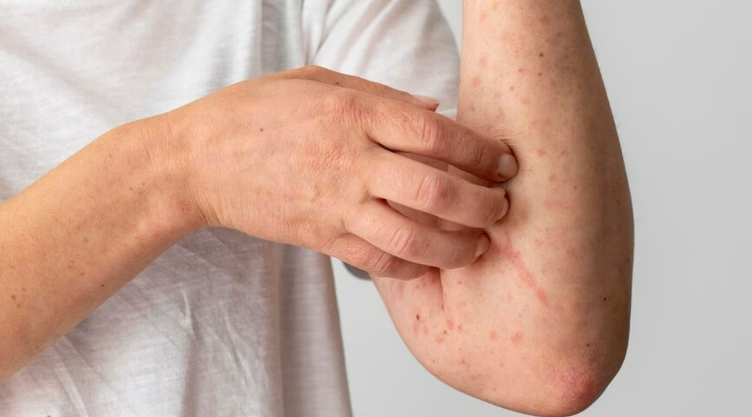
A yeast infection is a common condition caused by an overgrowth of yeast, specifically Candida, a type of fungus that naturally resides in the body. While the body usually keeps this yeast in check, factors such as a weakened immune system, antibiotic use, or changes in hormone levels can disrupt the balance, leading to uncomfortable symptoms. Yeast infections can affect various parts of the body, most commonly the skin, mouth, or genitals. In this article, we will explore what causes yeast infections, how to recognize the symptoms, effective treatment options, and most importantly, how to prevent these infections from recurring.
Table of Contents
What Is a Yeast Infection?
A yeast infection, also known as candidiasis, occurs when the balance of bacteria and yeast in the body is disrupted, leading to an overgrowth of the Candida fungus. While Candida is normally present in small amounts, an overgrowth can lead to irritation and infection.
The condition can affect both men and women, but it is more common in women. Genital yeast infections are particularly frequent, with an estimated 75% of women experiencing at least one during their lifetime. It is treatable, but they can be recurring if not properly managed.
Types of Yeast Infections
Vaginal Yeast Infection: The most common type of it, causing itching, burning, and unusual discharge in the vaginal area.
Oral Thrush: A yeast infection in the mouth and throat, causing white patches, soreness, and difficulty swallowing.
Skin Yeast Infection: Candida can infect moist areas of the skin, such as under the breasts, in the groin, and between toes, leading to redness, itching, and discomfort.
Invasive Candidiasis: This severe type of infection occurs when Candida enters the bloodstream, often affecting people with weakened immune systems or those in hospital settings.
Causes of Yeast Infections
Understanding the causes of it is key to preventing them. Several factors can contribute to the overgrowth of Candida:
Antibiotics: Antibiotics kill bacteria, including the beneficial bacteria that help control Candida growth. This disruption can lead to an overgrowth of yeast.
Hormonal Changes: Pregnancy, menstruation, or the use of birth control pills can alter hormone levels, making women more susceptible to it.
Weak Immune System: People with compromised immune systems—due to conditions like HIV/AIDS, diabetes, or cancer treatment—are at higher risk for it.
Diabetes: High blood sugar levels can contribute to yeast growth, especially in people who are not managing their diabetes effectively.
Poor Hygiene: Wearing tight clothing, such as synthetic underwear, or failing to dry the skin properly after bathing can create an environment where yeast thrives.
Diet: Diets high in sugar and refined carbs can fuel yeast overgrowth, as Candida feeds on sugar.
Stress: Chronic stress can weaken the immune system, making the body more susceptible to infections, including it.
Symptoms of a Yeast Infection
The symptoms of a yeast infection can vary depending on the affected area, but some common signs include:
Vaginal Yeast Infection:
-
- Itching, burning, and soreness in the vaginal area
- Pain during intercourse or urination
- Thick, white discharge that resembles cottage cheese
- Redness or swelling of the vulva
Oral Thrush:
-
- White, creamy lesions on the tongue, gums, or inside the cheeks
- Soreness or pain in the mouth or throat
- Difficulty swallowing or a feeling of food being stuck in the throat
Skin Yeast Infection:
-
- Red, inflamed patches of skin, often in moist areas like the armpits or groin
- Itching, burning, or stinging sensation
- Scaly or flaky skin
Invasive Candidiasis:
-
- Fever and chills
- Fatigue
- Low blood pressure
- Organ failure (in severe cases)
Diagnosis
Diagnosing a yeast infection typically involves a physical exam and a discussion of symptoms. For vaginal infections, a healthcare provider may take a swab of the discharge to check for yeast under a microscope. Oral thrush may be diagnosed based on the appearance of the lesions. In cases of skin or invasive candidiasis, additional tests such as blood cultures or skin scrapings may be required.
Treatment Options for Yeast Infections
Antifungal Medications: The most common treatment for it involves antifungal medications. These can be taken orally (like fluconazole) or applied topically (such as clotrimazole, miconazole, or nystatin). Over-the-counter treatments are often effective for vaginal yeast infections, while more severe cases may require prescription medication.
Home Remedies: While scientific evidence on home remedies is limited, some individuals find relief from natural treatments like:
-
- Coconut Oil: Known for its antifungal properties, it can be applied topically to the affected area.
- Yogurt: Contains probiotics that may help restore the balance of good bacteria in the body.
- Apple Cider Vinegar: Can be diluted with water and used in a bath to soothe itching and irritation.
Probiotics: Taking probiotics, especially those containing Lactobacillus strains, may help restore the balance of healthy bacteria in the gut and vaginal area, potentially reducing the risk of it.
Hydration and Diet Changes: Drinking plenty of water and reducing sugar intake can help combat the overgrowth of yeast. Since Candida thrives on sugar, cutting down on sugary foods and refined carbs can prevent recurring infections.
Antibiotics: If it is caused by a bacterial imbalance, a doctor may recommend antibiotics. However, this should be carefully monitored to prevent future yeast overgrowth.
Preventing Yeast Infections
Preventing yeast infections involves making lifestyle and hygiene changes that create a less favorable environment for yeast to thrive. Some tips include:
Maintain Good Hygiene:
-
- Wash the genital area with mild, fragrance-free soap and water.
- Avoid using harsh douches, which can disrupt the natural pH balance of the vagina.
- Change out of wet clothes, such as swimsuits or sweaty workout clothes, promptly.
Wear Breathable Clothing: Tight-fitting clothes made of non-breathable fabrics can trap moisture and heat, creating an ideal environment for yeast. Choose cotton underwear and loose-fitting clothes to promote airflow and reduce moisture.
Probiotics for Prevention: Adding probiotic-rich foods like yogurt, kefir, and kimchi to your diet or taking probiotic supplements can help maintain a healthy balance of bacteria in the body, preventing yeast infections.
Manage Stress: Chronic stress weakens the immune system and increases susceptibility to infections, including yeast infections. Practicing relaxation techniques such as yoga, meditation, or deep-breathing exercises can help reduce stress levels.
Healthy Diet: A well-balanced diet, low in sugar and refined carbohydrates, can help prevent the overgrowth of Candida. Incorporate whole foods, fiber, and healthy fats to support a strong immune system.
Diabetes Management: People with diabetes should keep their blood sugar levels under control to reduce the risk of yeast infections. This includes eating a balanced diet, exercising regularly, and taking prescribed medications.
When to Seek Medical Help
Most yeast infections can be treated with over-the-counter antifungal treatments. However, if symptoms persist, worsen, or return frequently, it is essential to consult a healthcare provider. Medical attention is also necessary if you experience:
- Severe pain or discomfort
- Fever or chills
- Unusual or foul-smelling discharge
- Difficulty swallowing (in case of oral thrush)
Conclusion
Yeast infections, though common, can be a source of significant discomfort. Understanding the causes, symptoms, and treatment options is essential for managing and preventing these infections. While most cases can be resolved with antifungal medications, lifestyle changes like improved hygiene, diet adjustments, and stress management can help keep yeast infections at bay. If you experience recurring infections or severe symptoms, it is crucial to seek medical advice for proper diagnosis and treatment.
Disclaimer: Select bests can mistakes. Remember, while yeast infections are treatable, they can be managed most effectively with a proactive approach to prevention and health maintenance.



3 thoughts on “Yeast Infection: Causes, Symptoms, Prevention, and Treatment”
Comments are closed.