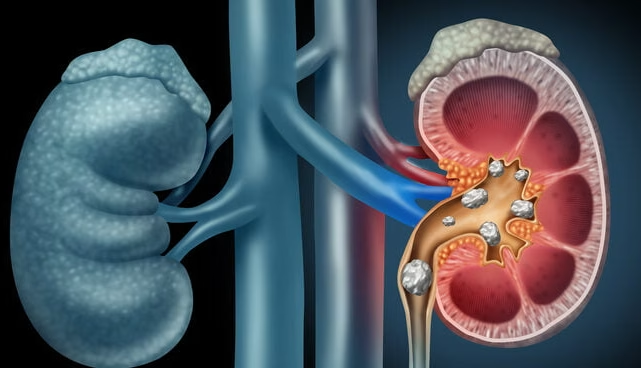
Kidney stones are a common yet painful medical condition that affects millions of people worldwide. These hard mineral and salt deposits form in the kidneys and can cause significant discomfort as they travel through the urinary tract. Understanding kidney stones, their causes, symptoms, treatment options, and prevention strategies can help manage this condition effectively and improve overall health.
Table of Contents
What Are Kidney Stones?
Kidney stones, also known as renal calculi, are solid masses made of crystals. They develop in the kidneys when minerals and salts, such as calcium, oxalate, and uric acid, concentrate in the urine and form crystals. Over time, these crystals grow into stones. Kidney stones vary in size, ranging from as small as a grain of sand to as large as a golf ball.
Types of Kidney Stones
Calcium Stones: These are the most common type, usually composed of calcium oxalate or calcium phosphate.
Uric Acid Stones: These form when urine becomes too acidic, often linked to diets high in purines, found in red meat and seafood.
Struvite Stones: These can form after urinary tract infections (UTIs) and grow quickly.
Cystine Stones: Rare and typically occur in individuals with a hereditary disorder called cystinuria.
Causes
Several factors can increase the risk of developing it:
Dehydration: Insufficient water intake concentrates urine, making stone formation more likely.
Diet: High consumption of sodium, sugar, and animal protein can contribute to stone development.
Obesity: Excess weight can alter urine composition, increasing stone risk.
Medical Conditions: Certain conditions, such as gout, hyperparathyroidism, and inflammatory bowel disease, can predispose individuals to it.
Genetics: A family history of kidney stones can increase susceptibility.
Symptoms
It may not cause symptoms until they move within the kidney or pass into the ureter. Common symptoms include:
Severe pain in the back, side, or lower abdomen
Pain during urination
Cloudy, foul-smelling, or discolored urine
Frequent urge to urinate
Nausea and vomiting
Fever and chills (if infection is present)
Diagnosis
To diagnose kidney stones, healthcare providers use several methods:
Imaging Tests: X-rays, CT scans, or ultrasounds can detect the size and location of stones.
Urine Tests: Analyzing urine can reveal stone-forming substances.
Blood Tests: These check for high levels of calcium or uric acid.
Stone Analysis: If a stone is passed, its composition can help determine the underlying cause.
Treatment Options
Treatment for kidney stones depends on their size, type, and location:
Small Stones: These often pass on their own with increased water intake and pain management.
Medications: Alpha-blockers may be prescribed to relax the ureter muscles and ease stone passage.
Extracorporeal Shock Wave Lithotripsy (ESWL): High-energy sound waves break stones into smaller pieces for easier passage.
Ureteroscopy: A thin tube is used to locate and remove or break up stones.
Percutaneous Nephrolithotomy (PCNL): A minimally invasive surgical procedure to remove large or complex stones.
Surgery: In rare cases, open surgery may be necessary.
Prevention Strategies
Preventing kidney stones involves making lifestyle and dietary changes:
Stay Hydrated: Drink at least 2-3 liters of water daily to dilute urine.
Dietary Adjustments:
Limit salt and sugar intake.
Reduce consumption of oxalate-rich foods like spinach, rhubarb, and almonds.
Maintain a balanced intake of calcium.
Avoid excessive animal protein.
Medications: In some cases, doctors may prescribe medications to prevent stone formation.
Regular Check-ups: Monitor kidney health, especially if you have a history of stones.
Myths and Misconceptions
Myth: Only men get kidney stones.
Fact: It can affect both men and women, though men are slightly more prone to them.
Myth: Drinking milk causes it.
Fact: Adequate calcium intake can actually prevent some types of stones.
Myth: Once you pass a stone, you’re in the clear.
Fact: Without preventive measures, kidney stones are likely to recur.
The Role of Diet and Hydration
A well-balanced diet and proper hydration are critical in preventing kidney stones:
Citrus Fruits: Consuming lemons, oranges, and grapefruits can increase citrate levels in urine, which helps prevent stones.
Herbal Teas: Certain teas, like nettle leaf and dandelion root, may support kidney health.
Avoid Soda: Sugary and carbonated beverages can increase stone risk.
Complications of Kidney Stones
If left untreated, kidney stones can lead to complications such as:
Recurrent urinary tract infections
Kidney damage or failure
Persistent pain and discomfort
Obstruction of the urinary tract
Seeking Medical Help
Consult a healthcare professional if you experience severe pain, fever, nausea, or difficulty urinating. Prompt treatment can prevent complications and relieve symptoms.
Conclusion
Kidney stones are a painful yet manageable condition. By understanding the causes, recognizing symptoms, and adopting preventive measures, you can reduce your risk and maintain healthy kidneys. Remember to consult a healthcare provider for personalized advice and treatment. Small lifestyle changes today can save you from significant discomfort in the future.
Disclaimer: Select bests can mistakes. This article is for informational purposes only and should not replace professional medical advice. Always consult a qualified healthcare provider to diagnose and treat kidney stones or any other health condition.