


Glaucoma, often referred to as the “silent thief of sight,” is a group of eye conditions that damage the optic nerve, a vital part of the visual system. This damage is typically caused by abnormally high pressure in the eye (intraocular pressure), though it can occur even without elevated eye pressure. Over time, glaucoma can lead to irreversible vision loss and even blindness if left untreated.
This comprehensive guide explores the causes, types, symptoms, diagnosis, treatment options, and preventive measures, helping readers understand the importance of early detection and management.
Table of Contents
What is Glaucoma?
Encompasses a group of eye disorders that share a common feature: damage to the optic nerve. The optic nerve transmits visual information from the eye to the brain, and any harm to it can significantly impair vision.
The condition often progresses without noticeable symptoms in its early stages, making regular eye exams essential for early detection and treatment.
Types of Glaucoma
1. Open-Angle (Chronic)
This is the most common form of glaucoma, accounting for about 90% of cases.
- Mechanism: The drainage canals in the eye become clogged over time, causing a gradual increase in eye pressure.
- Symptoms: It progresses slowly and painlessly, often with no symptoms until significant vision loss occurs.
2. Angle-Closure (Acute)
This form is less common but more severe.
- Mechanism: The drainage angle between the iris and cornea closes suddenly, leading to a rapid rise in intraocular pressure.
- Symptoms: Severe eye pain, headache, nausea, and sudden vision loss.
3. Normal-Tension
In this type, optic nerve damage occurs even though eye pressure remains within normal ranges.
- Causes: Factors like poor blood flow or nerve damage may contribute.
4. Congenital
A rare form that occurs in infants due to improper eye development.
- Symptoms: Excessive tearing, sensitivity to light, and a cloudy appearance in the eyes.
5. Secondary
This type results from another medical condition, such as eye injury, inflammation, or prolonged use of corticosteroids.
Causes and Risk Factors
Causes
Primarily associated with increased intraocular pressure, which damages the optic nerve. However, other factors, such as poor blood flow or genetic predisposition, can also contribute.
Risk Factors
- Age: Risk increases after the age of 40, especially for open-angle glaucoma.
- Family History: A strong genetic link exists; having a close relative with glaucoma increases the likelihood of developing it.
- Ethnicity: African, Hispanic, and Asian populations are at higher risk for different types of glaucoma.
- Medical Conditions: Diabetes, high blood pressure, and heart disease can elevate the risk.
- Eye Injuries: Trauma to the eye can cause secondary glaucoma.
Symptoms of Glaucoma
Early Stages
- Open-angle glaucoma often has no symptoms initially.
- Vision remains normal while the condition progresses.
Advanced Stages
- Loss of peripheral vision (tunnel vision).
- Difficulty adapting to low light or noticing objects to the side.
Acute Angle-Closure
- Sudden, severe eye pain.
- Blurred vision or halos around lights.
- Red eyes and nausea.
Congenital
- Sensitivity to light.
- Watery eyes.
- Larger than normal eyes in infants.
Diagnosing
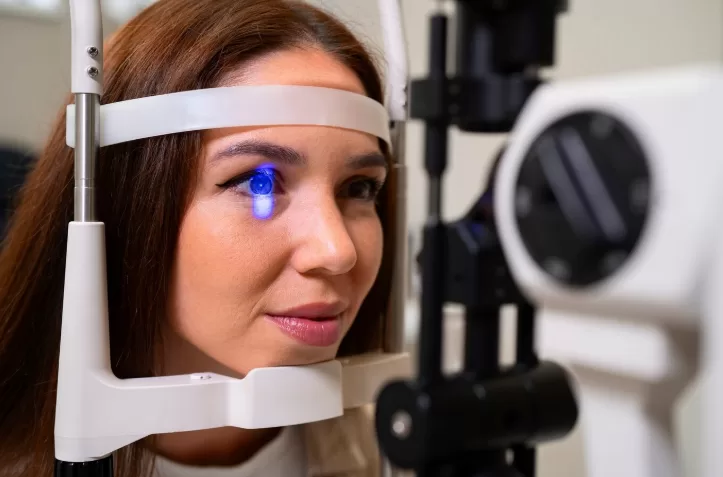
Early detection is key to managing glaucoma effectively. Comprehensive eye exams typically include:
- Tonometry: Measures intraocular pressure.
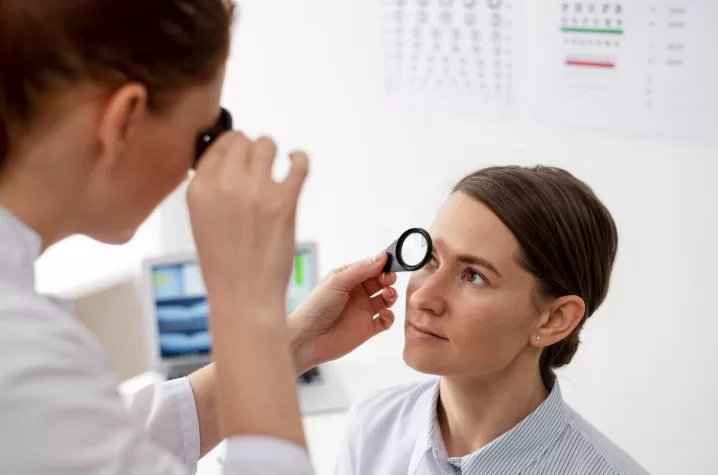
- Ophthalmoscopy: Examines the optic nerve for signs of damage.
- Perimetry (Visual Field Test): Detects peripheral vision loss.
- Gonioscopy: Assesses the drainage angle of the eye.
- Pachymetry: Measures corneal thickness, which can influence eye pressure readings.
Treatment Options for Glaucoma
While there is no cure, treatments aim to slow its progression and preserve vision.
1. Medications
- Eye Drops: Reduce eye pressure by improving fluid drainage or decreasing fluid production.
- Oral Medications: Prescribed when eye drops are insufficient.
2. Laser Therapy
- Laser Trabeculoplasty: Opens the drainage canals in open-angle glaucoma.
- Laser Iridotomy: Creates a tiny hole in the iris for fluid drainage in angle-closure glaucoma.
3. Surgery
- Trabeculectomy: Creates a new drainage pathway for fluid.
- Drainage Implants: Tiny tubes inserted into the eye to facilitate fluid outflow.
4. Emerging Therapies
- Researchers are exploring new treatments, including neuroprotective drugs and minimally invasive glaucoma surgeries (MIGS).
Living with Glaucoma
Managing Daily Life
- Take prescribed medications as directed.
- Schedule regular eye exams to monitor progression.
- Use assistive devices, such as magnifiers, for vision challenges.
Support Networks
- Join support groups for individuals with glaucoma.
- Seek counseling to cope with emotional challenges related to vision loss.
Preventing
While glaucoma cannot always be prevented, certain measures can reduce risk or aid early detection:
- Regular Eye Exams: Especially important for individuals over 40 or those with risk factors.
- Healthy Lifestyle: Maintain a balanced diet, exercise regularly, and manage conditions like diabetes.
- Protect Your Eyes: Use protective eyewear during sports or activities that pose a risk of injury.
- Avoid Overuse of Steroids: Use corticosteroid medications only under medical supervision.
Research and Advancements
Advances in medical technology and research are improving the outlook for patients.
- Artificial Intelligence: AI is being used to detect early signs of glaucoma in imaging tests.
- Gene Therapy: Investigations into genetic treatments may pave the way for more targeted therapies.
- Stem Cell Research: Studies aim to regenerate damaged optic nerves.
Conclusion
Glaucoma is a serious condition that can lead to irreversible vision loss if untreated. However, with early detection, proper treatment, and lifestyle adjustments, individuals can manage the disease and maintain a good quality of life.
Regular eye exams, awareness of symptoms, and adherence to treatment plans are critical in the fight against this silent vision thief.
Disclaimer
Select bests can mistakes. This article is for informational purposes only and should not be used as a substitute for professional medical advice, diagnosis, or treatment. If you suspect or any other eye condition, consult an eye care specialist immediately.




One thought on “Glaucoma: Causes, Symptoms, Treatment, and Prevention”
Comments are closed.