


Protein plays a crucial role in weight loss and overall health. It’s not just about how much protein you consume but also when, how, and what type. Understanding protein’s role in your weight loss journey can make the process more effective and sustainable. In this article, we’ll explore why protein matters, how it aids weight loss, how much you need, and strategies for incorporating it into your diet.
Table of Contents
Why Protein Matters in Weight Loss
Protein is one of the three primary macronutrients, alongside carbohydrates and fats. It is essential for building and repairing tissues, supporting immune function, and maintaining muscle mass. But why is it particularly beneficial for weight loss?
Thermic Effect of Food (TEF)
Has the highest thermic effect among macronutrients. This means your body burns more calories digesting protein compared to carbs or fats. About 20-30% of the calories from protein are used up during digestion and metabolism, compared to 5-10% for carbs and 0-3% for fats.
Appetite Regulation
Highly satiating. It helps you feel fuller for longer by influencing hunger hormones like ghrelin (the hunger hormone) and peptide YY (a hormone that promotes fullness). A protein-rich diet can reduce cravings and prevent overeating.
Muscle Preservation
During weight loss, especially when calories are restricted, your body risks losing muscle along with fat. Helps preserve lean muscle mass, which is crucial for maintaining a healthy metabolism.
Boosts Metabolism
Maintaining muscle mass keeps your resting metabolic rate higher. Since muscle tissue burns more calories than fat, consuming enough protein can prevent a metabolic slowdown.
How Protein Aids Weight Loss
To lose weight, you need a calorie deficit — consuming fewer calories than you burn. Supports this process in several ways:
Reduces Calorie Intake
High-protein meals reduce hunger and promote fullness, naturally leading to a decrease in calorie consumption.
Enhances Fat Loss
Studies show that diets higher in promote greater fat loss while sparing lean muscle tissue compared to lower-protein diets.
Improves Body Composition
Helps reshape your body by preserving muscle and burning fat, leading to a leaner physique rather than just weight loss on the scale.
How Much Should You Consume to Lose Weight?
The optimal protein intake depends on various factors, including your body weight, activity level, age, and goals. However, there are general guidelines to follow.
Standard Recommendations
The Recommended Dietary Allowance (RDA) for is 0.8 grams per kilogram of body weight (or about 0.36 grams per pound). This is the minimum amount to prevent deficiencies, not necessarily the ideal amount for weight loss.
For Weight Loss
Research suggests that a protein intake of 1.2 to 2.2 grams per kilogram of body weight (0.54 to 1.0 grams per pound) is effective for weight loss.
Example:
If you weigh 70 kg (154 lbs):
- Minimum: 70 x 1.2 = 84 grams/day
- Maximum: 70 x 2.2 = 154 grams/day
For Active Individuals
If you’re highly active or engage in resistance training, aim for the higher end of the range — around 1.6 to 2.4 grams per kilogram of body weight.
As a Percentage of Calories
Another approach is to consume as 25-30% of your daily calorie intake. For someone on a 2,000-calorie diet, this equates to 125-150 grams of protein.
Timing and Distribution
Evenly distributing throughout the day enhances muscle protein synthesis and keeps hunger in check. Aim to include 20-40 grams in each meal, with additional rich snacks if needed.
Example:
- Breakfast: Greek yogurt with nuts (25 grams)
- Lunch: Grilled chicken salad (30 grams)
- Dinner: Baked salmon with quinoa (35 grams)
- Snack: Shake (20 grams)
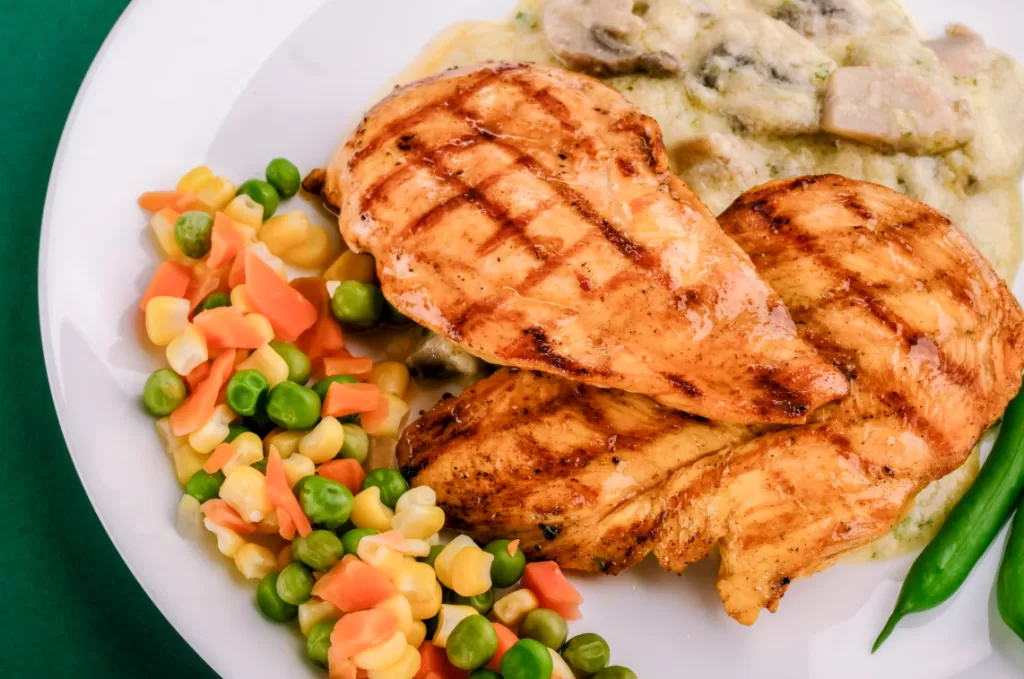
Sources
High-Quality Animal Sources
- Lean meats (chicken, turkey, beef)
- Fish and seafood (salmon, tuna, shrimp)
- Eggs and egg whites
- Dairy products (Greek yogurt, cottage cheese, milk)
Plant-Based Sources
- Legumes (lentils, chickpeas, black beans)
- Tofu, tempeh, and edamame
- Nuts and seeds (almonds, chia seeds, hemp seeds)
- Whole grains (quinoa, farro, oats)
Supplements
Protein powders, such as whey, casein, or plant-based blends, can help you meet your goals, especially when you’re on the go.
How to Incorporate More into Your Diet
Start Your Day
Replace carb-heavy breakfasts with protein-rich options like eggs, pancakes, or smoothies.
Snack Smart
Choose high-protein snacks like jerky, hard-boiled eggs, or a handful of nuts.
Add to Every Meal
Make the centerpiece of your meals, whether it’s a grilled chicken breast, a tofu stir-fry, or a lentil stew.
Batch Cook
Prepare protein-rich foods in bulk, like roasted chicken or boiled eggs, to have them ready for quick meals.
Enhance Your Recipes
Add powder to oatmeal, soups, or baked goods for an easy boost.
Common Myths
Too Much Protein Damages Kidneys
For healthy individuals, there’s no evidence that high protein intake harms kidney function. This myth is based on studies of individuals with pre-existing kidney disease.
Leads to Weight Gain
Alone won’t cause weight gain. Overeating any macronutrient in a calorie surplus will. In fact, protein is less likely to be stored as fat compared to carbs and fats.
You Can Only Absorb a Small Amount at Once
While protein synthesis has a cap per meal (~20-25 grams for muscle-building purposes), the body still uses excess for other functions.

Potential Challenges and Solutions
Expense of Protein-Rich Foods
Solution: Opt for budget-friendly sources like eggs, beans, canned tuna, or frozen chicken.
Difficulty Meeting Goals
Solution: Incorporate powders or ready-to-eat options like Greek yogurt or pre-cooked meats.
Dietary Restrictions
Solution: For vegetarians or vegans, rely on legumes, soy products, and whole grains.
Conclusion
Cornerstone of a successful weight loss strategy. By promoting satiety, preserving muscle, and boosting metabolism, it plays a vital role in reshaping your body. Aim for 1.2-2.2 grams of per kilogram of body weight or 25-30% of your calorie intake, and distribute it evenly throughout the day.
Incorporating high-quality sources, maintaining a balanced diet, and staying consistent will help you achieve sustainable weight loss while improving overall health.
Disclaimer
Select bests can mistakes. This article is for informational purposes only and does not constitute medical advice. Before making significant changes to your diet or exercise routine, consult a healthcare professional or registered dietitian.


One thought on “How Much Protein Should I Consume to Lose Weight?”
Comments are closed.