

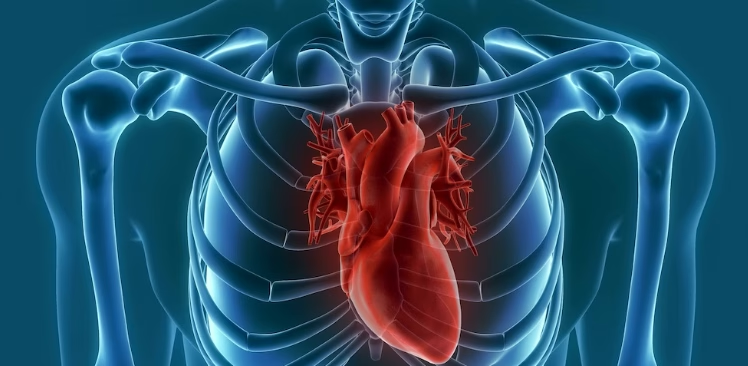
Congestive Heart Failure (CHF) is a significant health issue affecting millions of people worldwide. This condition, characterized by the heart’s inability to pump blood efficiently, leads to a cascade of symptoms that can severely impact quality of life. With advancements in medicine, CHF is no longer a death sentence, but understanding its causes, symptoms, treatments, and preventive measures is crucial for managing it effectively. This comprehensive guide will shed light on everything you need to know about CHF.
Table of Contents
What is Congestive Heart Failure?
Congestive Heart Failure, often referred to as heart failure, occurs when the heart’s muscles weaken or become too stiff to pump blood effectively. This inefficiency causes blood to back up in various parts of the body, leading to fluid retention (congestion), particularly in the lungs, legs, and abdomen.
CHF is not a standalone disease but a syndrome that can result from a variety of cardiovascular conditions. It’s classified into two main types:
Left-sided Heart Failure: This is the most common form, where the left ventricle fails to pump blood adequately. It includes:
Systolic Heart Failure: The heart muscle is too weak to contract forcefully.
Diastolic Heart Failure: The heart muscle becomes too stiff, limiting its ability to relax and fill with blood.
Right-sided Heart Failure: Often a consequence of left-sided heart failure, this occurs when the right ventricle struggles to pump blood to the lungs, leading to swelling in the lower extremities and abdomen.
Causes of Congestive Heart Failure
Understanding the underlying causes of CHF is essential for effective prevention and management. Common causes include:
Coronary Artery Disease (CAD): Narrowed arteries reduce blood flow to the heart muscle, leading to weakened cardiac function.
High Blood Pressure (Hypertension): Prolonged hypertension forces the heart to work harder, eventually leading to muscle fatigue.
Cardiomyopathy: This condition affects the heart muscle itself, caused by genetic factors, infections, or substance abuse.
Heart Attack: Damage to the heart muscle from a myocardial infarction can impair its pumping ability.
Valvular Heart Disease: Malfunctioning heart valves force the heart to work harder, leading to CHF over time.
Arrhythmias: Irregular heartbeats can weaken the heart’s ability to pump blood efficiently.
Congenital Heart Defects: Structural abnormalities present at birth can contribute to CHF later in life.
Lifestyle Factors: Obesity, smoking, excessive alcohol consumption, and a sedentary lifestyle increase the risk of CHF.
Diagnosing Congestive Heart Failure
Accurate diagnosis is key to effective treatment. Physicians use a combination of the following methods:
Medical History and Physical Exam: A detailed history of symptoms, lifestyle, and pre-existing conditions is crucial.
Blood Tests: These help detect markers like B-type natriuretic peptide (BNP), which is elevated in CHF.
Imaging Tests:
Echocardiogram: Provides detailed images of the heart’s structure and function.
Chest X-Ray: Reveals fluid buildup and heart enlargement.
MRI and CT Scans: Offer high-resolution images for complex cases.
Electrocardiogram (ECG): Detects irregular heart rhythms and electrical activity.
Stress Tests: Assess how the heart functions under physical exertion.
Cardiac Catheterization: Measures pressure and blood flow in the heart for precise diagnosis.
Treatment Options for Congestive Heart Failure
While CHF cannot be fully cured, it can be effectively managed through a combination of lifestyle changes, medications, and advanced medical interventions.
1. Lifestyle Modifications:
Diet: Reduce salt intake to minimize fluid retention. Focus on a heart-healthy diet rich in fruits, vegetables, lean proteins, and whole grains.
Exercise: Engage in moderate physical activity tailored to your condition.
Quit Smoking and Limit Alcohol: These habits worsen heart health and should be avoided.
Weight Management: Maintaining a healthy weight reduces the strain on the heart.
2. Medications:
ACE Inhibitors: Help relax blood vessels and improve blood flow.
Beta-Blockers: Reduce the heart’s workload by slowing the heart rate.
Diuretics: Help eliminate excess fluid to relieve swelling and congestion.
Aldosterone Antagonists: Prevent fluid buildup and lower blood pressure.
Digitalis: Strengthens heart contractions and regulates rhythm.
ARNIs (Angiotensin Receptor-Neprilysin Inhibitors): A newer class of drugs that improve outcomes in heart failure patients.
3. Advanced Treatments:
Implantable Devices: Pacemakers and defibrillators can correct irregular rhythms and support heart function.
Surgical Interventions:
Valve Repair or Replacement: For those with valvular heart disease.
Coronary Artery Bypass Grafting (CABG): Improves blood flow in blocked arteries.
Heart Transplant: Reserved for severe cases when all other treatments fail.
Preventing Congestive Heart Failure
Prevention is always better than cure. By adopting heart-healthy habits, you can significantly reduce your risk of CHF:
Monitor Blood Pressure and Cholesterol Levels: Regular check-ups can detect and manage potential problems early.
Stay Active: Engage in at least 150 minutes of moderate exercise per week.
Eat a Balanced Diet: Follow a diet low in saturated fats, trans fats, and sodium.
Avoid Smoking and Limit Alcohol Consumption: These factors greatly increase the risk of heart diseases.
Manage Stress: Practice relaxation techniques like yoga, meditation, or deep breathing exercises.
Living with Congestive Heart Failure
A diagnosis of CHF can be overwhelming, but with the right approach, many people live fulfilling lives. Here are some tips for managing CHF effectively:
Regular Follow-ups: Keep up with medical appointments and follow your doctor’s advice.
Adhere to Medications: Take your prescribed medicines consistently and inform your doctor of any side effects.
Track Symptoms: Monitor your weight, swelling, and breathing daily to detect worsening symptoms early.
Build a Support System: Connect with friends, family, and support groups for emotional and practical assistance.
The Future of Heart Failure Treatment
Research into CHF is advancing rapidly, offering hope for improved treatments and outcomes. Innovations like gene therapy, stem cell therapy, and advanced mechanical devices promise a brighter future for those affected by this condition.
Conclusion
Congestive Heart Failure is a complex yet manageable condition. By understanding its causes, symptoms, and treatment options, individuals can take proactive steps to improve their heart health and overall well-being. Remember, early detection and lifestyle changes play a pivotal role in preventing and managing CHF. If you or a loved one shows symptoms of heart failure, seek medical attention promptly.
Disclaimer
This article is for informational purposes only and should not replace professional medical advice. Always consult with a healthcare provider for diagnosis and treatment tailored to your specific needs.




One thought on “Congestive Heart Failure: Understanding the Silent Epidemic”
Comments are closed.